

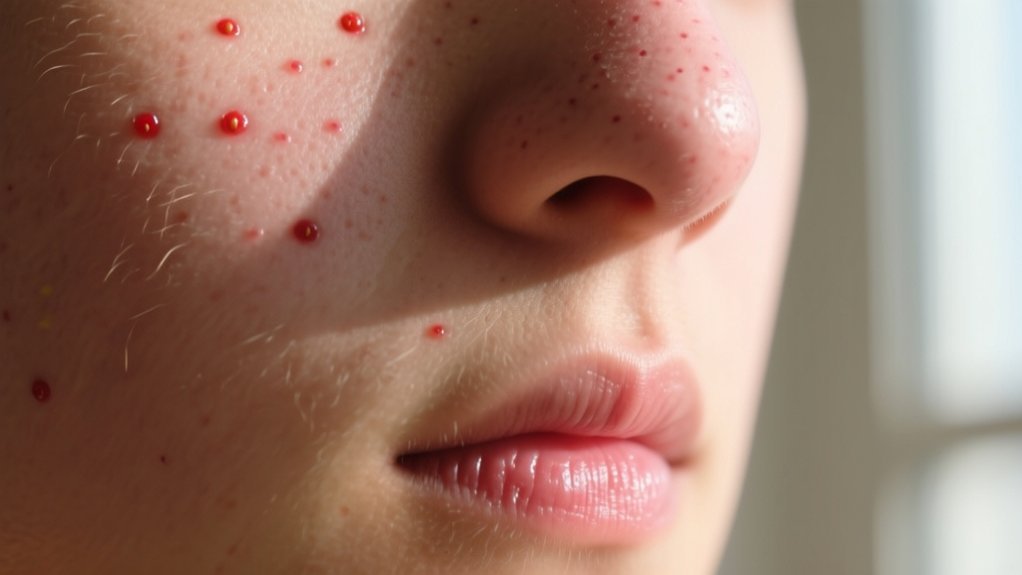
Why Does My Nose Look Like a Strawberry?
Your nose looks like a strawberry because its pores are enlarged and filled with excess oil, dead skin cells, and debris. This creates tiny dark dots similar to seeds.
This often happens with oily skin or clogged pores, where sebaceous filaments and blackheads make the texture bumpy and noticeable. Sometimes, conditions like rosacea or rhinophyma can cause a swollen, rough appearance that worsens the look.
Understanding these causes can help you find the right ways to improve your skin’s texture and appearance.
What a Strawberry Nose Looks Like and Means
A strawberry nose gets its name from the tiny dark dots that cover the skin, resembling the seeds on a strawberry. These dots come from enlarged pores filled with excess oil, dead skin cells, and dirt that oxidize when exposed to air.
If you notice this texture on your nose, it often means your skin is producing too much oil or that dead skin cells are blocking your pores. Unlike simple blackheads, a strawberry nose includes a mix of blackheads and sebaceous filaments, which gives your nose that uneven, dotted look.
To manage this, you’ll want consistent skincare routines focusing on cleansing, exfoliating, and hydrating. Keeping pores clear and balanced reduces the buildup causing those dark spots and helps your skin look smoother over time.
How Rhinophyma Causes a Strawberry Nose
If your nose looks swollen and bumpy with thickened skin, you might be dealing with rhinophyma.
This condition causes changes in texture and shape that can mimic the dark dots and uneven surface of a strawberry nose.
Rhinophyma Symptoms Explained
Thickened skin and enlarged sebaceous glands transform your nose into a bulbous, bumpy shape that closely resembles the texture of a strawberry. This is the hallmark of rhinophyma, a skin disorder that develops from advanced rosacea.
As the symptoms progress, you’ll notice enlarged pores and lumps forming on your nose, accompanied by a reddish hue and visible blood vessels. The surface of your skin becomes thick, rough, and waxy, making the changes even more pronounced.
Rhinophyma’s symptoms don’t just alter your nose’s appearance; they can affect your self-esteem and social interactions. If left untreated, these changes may become permanent.
That’s why it’s important to recognize rhinophyma early and seek appropriate care to manage this skin disorder effectively.
Nose Texture Changes
When rhinophyma develops, your nose undergoes noticeable texture changes that give it a bumpy, bulbous look resembling a strawberry. This happens because rhinophyma causes thickening of the skin and an overgrowth of sebaceous glands.
As a result, you’ll notice enlarged pores and visible oil glands that create a rough, uneven skin texture. These changes make the surface of your nose look swollen and waxy, enhancing the strawberry-like appearance.
Key texture changes include:
- Thickened skin that feels coarse and waxy
- Enlarged pores that appear dark and prominent
- Overactive sebaceous glands producing excess oil
- Swollen, bulbous shape giving a bumpy surface
Understanding these texture shifts helps explain why your nose takes on that distinct strawberry look with rhinophyma.
Differentiating From Strawberry Nose
How does rhinophyma create a nose that looks like a strawberry? Rhinophyma causes your nose to become bulbous and bumpy, resembling a strawberry’s texture due to thickened skin and enlarged pores.
Unlike a typical strawberry nose caused by clogged pores and excess oil, rhinophyma results from an overgrowth of sebaceous glands and connective tissue. You may notice symptoms like skin discoloration, swelling, and a rough, waxy surface, making the resemblance even stronger.
While a strawberry nose is mostly about clogged pores and oil buildup, rhinophyma is a more advanced condition linked to rosacea.
Catching rosacea symptoms early and managing them can help prevent rhinophyma and reduce the chance your nose develops that characteristic strawberry-like appearance.
Can Rosacea Cause Strawberry Nose?
Could rosacea be the reason your nose looks like a strawberry? In some cases, rosacea, especially when it progresses to rhinophyma, causes thickened skin and enlarged pores that give your nose that distinctive strawberry-like texture.
The inflammation triggers an overgrowth of sebaceous glands, which darkens and enlarges your pores. This, combined with clogged pores from oil and dead skin cells, contributes to the appearance.
Here’s what happens with rosacea on your nose:
- Rhinophyma thickens skin and enlarges pores
- Sebaceous glands overproduce oil, darkening pores
- Inflammation causes redness and swelling
- Clogged pores create dark spots resembling seeds
Managing rosacea early can help prevent your nose from developing this characteristic look.
What Causes Dark Dots and Enlarged Pores on the Nose?
Besides rosacea, other factors can cause dark dots and enlarged pores on your nose, often leading to what’s known as a strawberry nose.
If you have oily skin, your sebaceous glands produce excess oil that mixes with dead skin cells and dirt, clogging pores. These clogged pores then oxidize, creating the dark dots you see.
Genetics can also make you more prone to enlarged pores, making this condition harder to avoid. Poor cleansing habits or exposure to pollutants worsen the buildup, so sticking to proper skincare is essential.
Regular exfoliation and using non-comedogenic products help keep pores clear and reduce the appearance of dark dots and enlarged pores on your nose.
Taking these steps can greatly improve your skin’s look and health.
How Sebaceous Filaments Make Your Nose Look Like a Strawberry
Sebaceous filaments play a big role in why your nose might resemble a strawberry. These natural, thread-like structures help oil flow through your pores, but when clogged pores trap excess oil, dirt, and dead skin, they darken and become more visible.
This darkening, caused by sebum oxidation, gives your nose that signature strawberry nose look.
Here’s what you should know:
Sebaceous filaments are normal but can appear prominent with oily skin.
Clogged pores filled with oil create dark spots resembling strawberry seeds.
Exposure to air oxidizes trapped sebum, darkening the filaments.
Regular exfoliation helps clear clogged pores and reduce the strawberry nose effect.
Strawberry Nose vs Blackheads: What’s the Difference?
You might think strawberry nose and blackheads are the same, but actually, they’re a bit different.
Strawberry nose appears as lots of tiny dark dots, which happen because your pores get enlarged and fill up with oil, dirt, and dead skin cells. This includes both blackheads and something called sebaceous filaments.
Now, blackheads themselves are just clogged pores that turn dark because of oxidation.
Defining Strawberry Nose
A strawberry nose shows up as numerous dark spots that look like the seeds on a strawberry. These spots are caused by enlarged pores packed with oil, dead skin, and oxidized material.
It results from a mix of clogged pores, including blackheads and sebaceous filaments, which are the natural oil channels in your skin. If you have oily skin or skip proper cleansing, these pores can become more noticeable.
Fortunately, strawberry nose is mainly a cosmetic issue and can improve with targeted skincare routines.
Here’s what you should know:
- Enlarged pores trap excess sebum and dead cells
- Sebaceous filaments differ from blackheads but both contribute to the look
- Poor cleansing habits worsen clogged pores
- Consistent skincare routines help reduce appearance and maintain clear skin
Blackheads Characteristics
Understanding the difference between strawberry nose and blackheads helps you target your skincare more effectively.
While strawberry nose shows enlarged pores with dark dots resembling seeds caused by oil, dirt, and dead skin buildup, blackheads are specifically clogged pores darkened by oxidized debris.
Blackheads are a type of acne you can extract, whereas strawberry nose includes blackheads plus sebaceous filaments contributing to texture.
Blackheads can affect any skin type if pores clog, but strawberry nose often relates to oily skin and poor cleansing.
For treatment, regular exfoliation and cleansing help reduce strawberry nose, but blackheads may need targeted extraction or professional care to clear clogged pores.
Knowing these distinctions lets you choose the right exfoliation and treatment to improve your skin’s appearance.
Skin Conditions That Cause Strawberry Nose
Although strawberry nose isn’t a medical issue, it often stems from skin conditions linked to oily skin and clogged pores. The causes revolve around excess oil production and buildup of dead skin cells, which block pores and create that distinctive dotted look.
Unlike pure blackheads, strawberry nose includes sebaceous filaments that add to the texture. To manage and care for your skin effectively, focus on preventing pore congestion.
Key skin conditions causing strawberry nose include:
- Oily skin that produces excess sebum
- Clogged pores filled with dirt and dead cells
- Presence of blackheads and sebaceous filaments
- Inadequate cleansing and exfoliation routines
Proper daily care and exfoliation help keep your pores clear and reduce the appearance of strawberry nose.
How Doctors Diagnose Strawberry Nose Conditions
When you visit a doctor about your strawberry nose, they’ll begin by taking a close look at your skin.
They’ll check for things like enlarged pores and dark spots.
Next, they’ll probably ask about your skincare routine and family history to get a complete picture.
To be sure it’s not something else, like acne, they’ll compare the texture of your skin and any symptoms you have before making a diagnosis.
Visual Examination Criteria
Because the appearance of a strawberry nose hinges on specific skin features, doctors carefully examine your nose for darkened, enlarged pores filled with oil and debris.
During the visual examination, dermatologists focus on identifying clogged pores that give your nose its distinctive strawberry-like look.
They assess the texture and presence of blackheads or sebaceous filaments contributing to the condition. This thorough inspection helps differentiate strawberry nose from other skin issues.
Key visual examination criteria include:
- Enlarged pores resembling strawberry seeds
- Dark spots caused by oil and dead skin buildup
- Presence of sebaceous filaments and blackheads
- Overall skin texture and pore condition
Medical History Review
To diagnose your strawberry nose accurately, doctors don’t just rely on what they see.
They’ll also review your medical history thoroughly. Dermatologists ask about your skincare routines, including how often you exfoliate and whether you use products that might clog pores.
They want to understand if oily skin or genetics play a role in your condition. Your medical history helps reveal habits or underlying issues contributing to clogged pores and the characteristic darkened spots.
Moreover, doctors assess any accompanying symptoms like excessive oiliness or acne to clarify the diagnosis.
This all-encompassing review guarantees they identify the root causes of your strawberry nose, guiding effective treatment tailored to your skin’s needs.
Differential Diagnosis Process
After reviewing your medical history, doctors move on to a detailed physical examination to pinpoint the cause of your strawberry nose.
During this physical examination, they focus on identifying enlarged pores and sebaceous filaments, which are hallmark signs of strawberry nose.
To guarantee an accurate differential diagnosis, your doctor may also evaluate dark spots and blackheads on your nose.
They might ask about your skincare routine and lifestyle habits to rule out other conditions like rosacea or acne.
Sometimes, a dermatoscope is used for a closer look.
In rare cases, skin biopsies help exclude other skin disorders.
Key steps in the differential diagnosis include:
- Examining enlarged pores and sebaceous filaments
- Evaluating skin texture and color variations
- Reviewing your skincare and medical history
- Using specialized tools like a dermatoscope
How to Treat Strawberry Nose and Rhinophyma
Although treating strawberry nose and rhinophyma requires different approaches, maintaining a consistent skincare routine plays a crucial role in both.
For strawberry nose, treatment options focus on daily cleansing with non-comedogenic products, regular exfoliation, and using clay masks to absorb excess oil and clear clogged pores.
Incorporating actives like niacinamide and retinol can improve skin texture and reduce pore appearance.
Rhinophyma, a more severe condition, may need topical medications such as metronidazole or isotretinoin.
In advanced cases, surgical interventions like laser resurfacing or dermabrasion become necessary.
Preventing Strawberry Nose: Daily Habits and Tips
Managing strawberry nose involves more than just treatment; adopting daily habits can greatly reduce its appearance and prevent flare-ups. You need to keep your pores clear and your skin balanced by targeting the underlying causes like clogged pores and overactive glands.
Here are some effective daily habits to incorporate:
- Use a gentle double cleansing routine to remove dirt, oil, and makeup without irritating your skin.
- Regularly exfoliate with chemical exfoliants such as AHAs or BHAs to prevent buildup in pores.
- Apply non-comedogenic moisturizers to keep skin hydrated without clogging pores.
- Wear sunscreen daily to shield your skin from damage that can worsen pore visibility.
Frequently Asked Questions
Can Diet Influence the Appearance of a Strawberry Nose?
Yes, dietary impacts can definitely influence your strawberry nose. When you don’t manage skin hydration well, oily buildup can worsen.
Food allergies and inflammation triggers, like certain dairy or processed foods, may cause flare-ups and enlarge pores.
Also, vitamin deficiencies, especially antioxidants, can reduce your skin’s ability to heal and fight inflammation.
Is Strawberry Nose Contagious or Hereditary?
No, strawberry nose isn’t contagious.
It’s not some wild, spreading skin invasion like other contagious skin conditions. Instead, strawberry nose genetics play a huge role, especially if your family history impact points to enlarged pores or oily skin types.
But don’t blame just your genes; environmental triggers and your skin care practices team up with genetics to create that strawberry look.
What Makeup Products Are Best for Covering a Strawberry Nose?
For covering a strawberry nose, start with proper skincare prep to reduce redness and texture.
Use a mattifying primer to smooth your skin.
Choose full-coverage, non-comedogenic foundation types to avoid clogging pores while hiding imperfections.
Apply color correcting concealers like green for redness before foundation.
Use a lightweight, creamy concealer application to target spots.
Finish with translucent setting powders to control shine and lock your makeup in place all day.
Are There Natural Remedies to Reduce Strawberry Nose Symptoms?
Yes, you can use natural oils and herbal treatments to reduce strawberry nose symptoms.
Try soothing masks with honey and lemon to tighten pores and calm inflammation.
Home exfoliants like oatmeal mixed with yogurt gently clear dead skin cells and unclog pores.
Aloe vera gel boosts skin hydration and improves texture.
Green tea toner helps control oiliness.
Stay consistent, and you’ll see improvements in a few weeks.
How Long Does It Take to See Improvement After Treatment?
Treatment timelines tend to twist and turn, depending on your treatment types and tenacity with your skincare routine.
Typically, you’ll see symptom progression within 2 to 6 weeks, but individual factors like skin type and condition severity can stretch treatment duration.
Some treatments, such as laser therapy, might show swift shifts, while others, like exfoliating products, require consistent care.
Stay steady. Improvements unfold over time, and your patience plays a pivotal part.
Conclusion
If your nose looks like a strawberry, it’s likely due to enlarged pores, sebaceous filaments, or conditions like rhinophyma or rosacea. Don’t worry, these dark dots and bumps aren’t actual seeds but clogged pores or skin changes.
Understanding this can ease your mind and help you choose the right treatments. With proper care and habits, you can reduce the appearance and keep your skin healthy.
So, stay informed and proactive. You’ve got this!