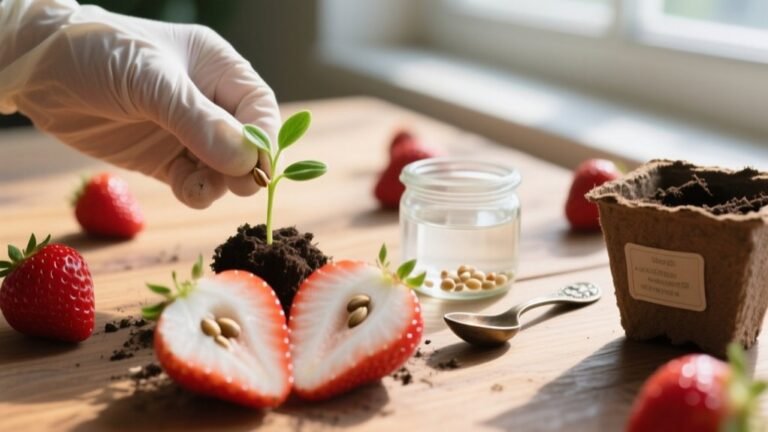

Do Strawberries Grow on Bushes or Something Else?
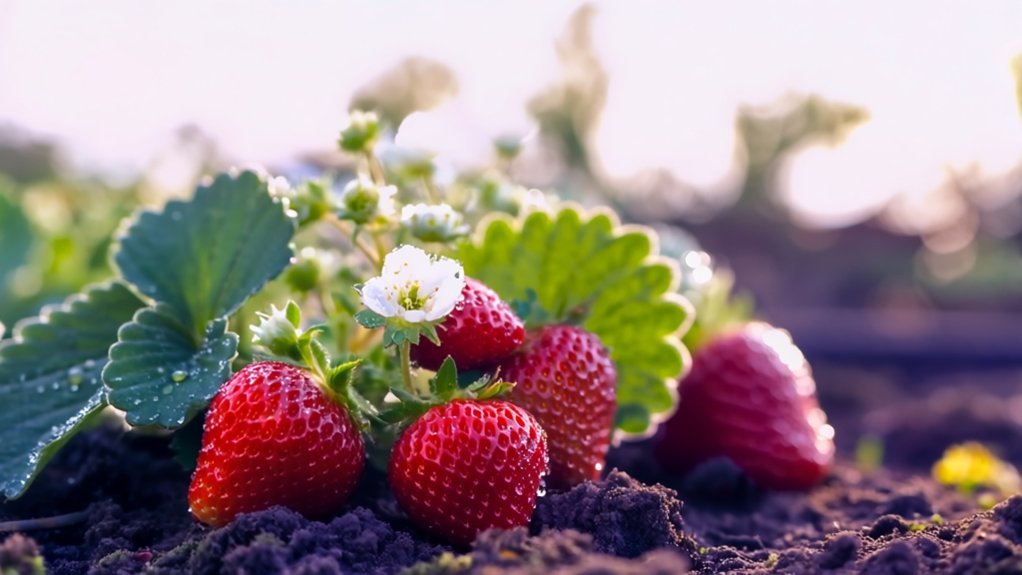
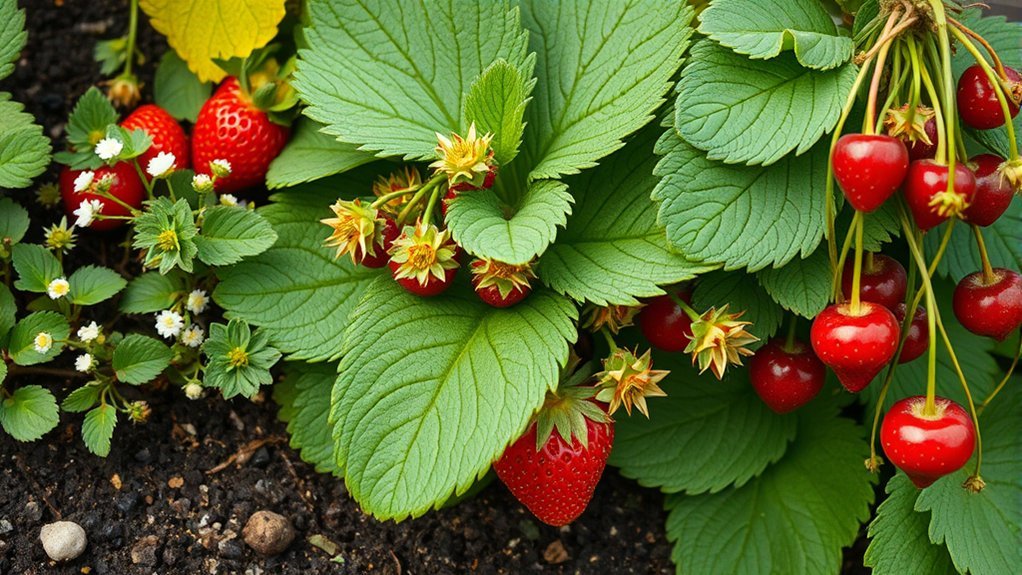
You won’t find strawberries growing on bushes. They actually grow on low, herbaceous plants that stay close to the ground. These plants have soft stems and spread using runners, which root and create new plants nearby.
Their flowers and fruit develop on stems above the leaves. Strawberries thrive best in well-prepared soil with plenty of sunlight and moisture. If you want, you can explore how different strawberry types grow and how to keep them healthy for the best harvest.
What Kind of Plant Do Strawberries Actually Grow On?
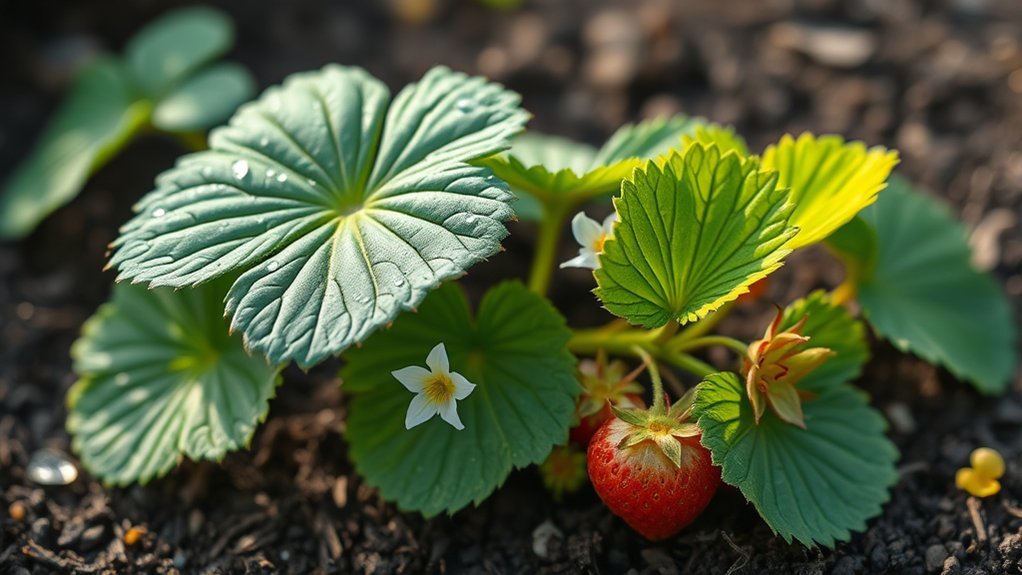
Strawberries don’t grow on bushes like you might expect; instead, they grow on low-growing herbaceous perennial plants. These plants die back in winter and regrow in spring, making it a good idea to prepare your garden accordingly.
Strawberries make new plants through runners, long stems that root and form fresh strawberry plants nearby. You’ll notice trifoliate leaves and delicate flowers that turn into the juicy fruit you enjoy.
There are three main types: summer fruiting, ever bearers, and day neutral, each with unique fruiting schedules.
For the best harvest, strawberries make the most of well-drained soil and at least six hours of sunlight daily.
Understanding this plant’s nature helps you grow healthier, more productive strawberry patches efficiently.
How Do Strawberry Plants Differ From Bushes and Trees?
You might think strawberries grow on bushes or trees, right?
But actually, their plant structure is quite different. Unlike woody bushes or tall trees, strawberry plants have low, non-woody stems.
Plus, they spread through runners, which is pretty unique. This way of growing keeps the fruit close to the ground, making strawberries stand out from other fruit-bearing plants.
Plant Structure Comparison
If you’ve ever wondered how strawberry plants stack up against bushes and trees, the differences start with their structure.
Strawberry plants are herbaceous perennials growing low to the ground, with a crown from which leaves and flowers emerge.
Unlike woody bushes and trees that grow upright with trunks and branches, strawberries spread through runners, making propagation methods simple and efficient. This growth habit offers plant benefits like quick expansion and easy division.
Because they remain compact, strawberry plants thrive in ideal environments such as containers and small gardens where bushes or trees might be too large.
Plus, strawberries fruit within weeks during summer, while bushes and trees take longer to mature.
Understanding these structural differences helps you choose the right plant for your space and gardening goals.
Growth Habit Differences
When comparing growth habits, it’s clear that strawberry plants stand apart from bushes and trees in several key ways. Unlike woody bushes and tall trees, strawberries are herbaceous perennials that grow close to the ground with a rosette form.
Their growth includes producing runners, which are horizontal stems that root to form new plants. This is an adaptation you won’t see in bushes or trees that grow upright from a central trunk. These adaptations allow strawberries to spread efficiently across the soil surface.
Environmental influences like soil type and watering play a vital role in their success. They require well-drained soil and consistent care.
While bushes take years to mature, strawberry plants can fruit within their first year, highlighting a faster growth cycle shaped by their unique habit differences.
Where Do Strawberry Flowers and Fruits Develop on the Plant?
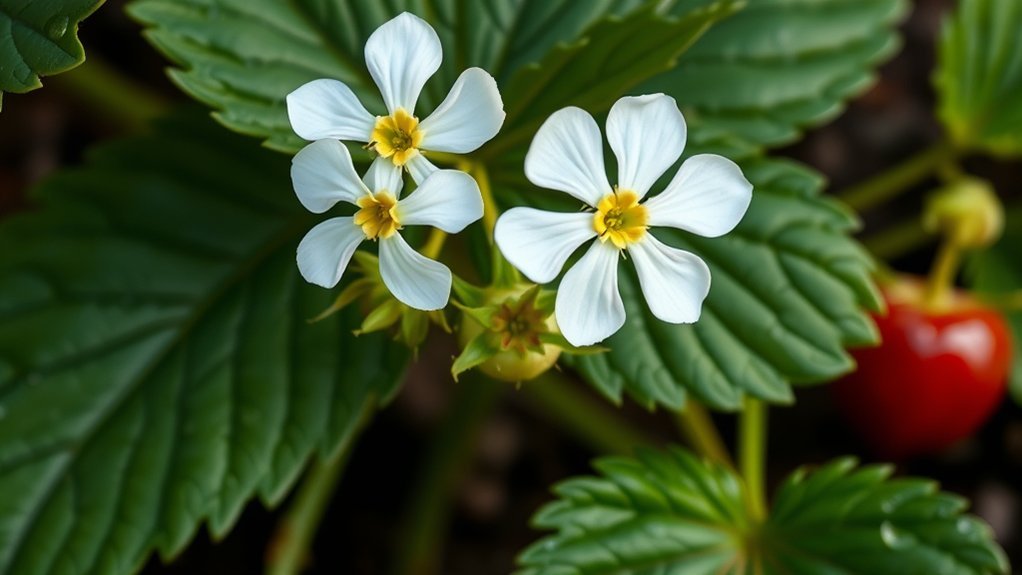
Strawberry flowers develop on a stem called a peduncle that rises above the leaves. Each flower can turn into a fruit after pollination.
During flower development, you’ll notice clusters of blossoms. Each contains both male and female reproductive structures, the stamens and pistils. These allow strawberries to self-pollinate efficiently.
Strawberry blossoms contain stamens and pistils, enabling efficient self-pollination within clustered flowers.
Once fertilization occurs, fruit formation begins as the flower’s receptacle thickens and enlarges. It transforms into the juicy, red strawberry you harvest.
Unlike fruits growing on traditional bushes, strawberries grow close to the ground. Flowers and fruits appear elevated on peduncles rather than on woody stems.
Understanding where flower development and fruit formation happen helps clarify why strawberries don’t grow on bushes but on low-lying plants with specialized reproductive structures.
How Strawberry Runners Help Plants Spread and Propagate
Although many plants rely on seeds to spread, runners provide an effective way for strawberries to propagate. These long, horizontal stems grow from the main plant and root when touching soil, producing new plants.
To maximize fruit production, you should apply runner maintenance techniques by removing runners during the first growing season. This allows the parent plant to focus energy on fruit development instead of propagation.
Propagation timing strategies are essential; letting runners grow later helps establish vigorous new plants to replace aging ones. If left unpruned, runners create dense patches, which can boost future yields but may also overcrowd your garden.
The Three Main Types of Strawberry Plants
You’ll find three main types of strawberry plants to choose from: Summer fruiting, Ever bearers, and Day neutral.
Now, each type has its own unique fruiting schedule. This means they differ in when and how often you get to harvest those sweet strawberries.
Knowing these differences can really help you pick the best variety for your garden.
Summer Fruiting Varieties
When you want a bountiful summer harvest, choosing summer fruiting strawberry varieties is key. These plants are known for their strawberry variety characteristics that include producing fruit in a single, large flush.
They come in early, mid, and late season types, allowing you to stagger your summer harvest timing for continuous picking. Popular varieties like ‘Hapil,’ ‘Elsanta,’ and ‘Cambridge Favorite’ are prized for their sweetness and robustness.
To get the best from these strawberries, you’ll need to provide ideal growing conditions: full sun with at least six hours daily, consistent watering, and high potassium fertilization during flowering.
This care guarantees healthy growth and a generous crop within just 2 to 3 weeks of fruiting.
Ever Bearers And Day Neutrals
Since ever bearers and day neutrals offer different fruiting patterns than summer varieties, understanding their unique traits helps you extend your strawberry harvest.
Ever bearers benefit you by producing fruit continuously from summer into early autumn, giving you a longer picking season. Their continuous harvest advantages mean you won’t miss out on fresh strawberries after the short summer fruiting period ends.
Day neutral characteristics include yielding a steady, small supply of berries regardless of day length, so you get reliable fruit even when light conditions change.
Both types are versatile, thriving in containers or garden beds, making them perfect for various setups.
Common Myths About Strawberry Plant Growth and Structure
How do strawberries really grow? Despite popular strawberry myths, these plants don’t grow on bushes or trees. You might’ve heard plant misconceptions that confuse their growth habit, but strawberries actually develop from low-growing perennials with a rosette structure close to the ground.
This growth confusion often arises because people see their lush leaves and assume they’re bushes. In reality, strawberries produce fruit just a few inches above soil, emerging from a central crown. Unlike stone fruits, their berries form from flowers, creating fleshy aggregate fruits.
Also, strawberry plants spread using runners, horizontal stems that root into new plants, further distinguishing their growth from typical shrubs.
Knowing these facts helps clear up common misunderstandings about strawberry plant growth and structure.
Growing Strawberries: Containers vs. In-Ground Beds
You can grow strawberries successfully in either containers or in-ground beds, each offering distinct advantages.
Container advantages include flexibility in location and ease of harvesting, making them perfect if you face space limitations or have poor soil. Using wide, shallow containers helps promote healthy roots and keeps soil quality under your control, ensuring proper drainage and moisture retention.
On the other hand, in-ground beds require well-prepared soil enriched with organic compost or manure to thrive. Strawberries in the ground develop a more extensive root network, often yielding larger harvests.
Choosing between containers and in-ground beds depends on your garden’s soil condition, available space, and how much control you want over soil quality.
Both methods can produce delicious strawberries when managed properly.
How to Plant Strawberry Crowns Correctly
When you plant strawberry crowns, make sure the crown sits just above the soil. This helps prevent rot and encourages healthy growth.
First, prepare nutrient-rich soil by mixing in some well-rotted manure or organic compost.
Getting these basics right will set the stage for a thriving strawberry patch. It’s really all about giving your plants the best start!
Proper Planting Depth
Planting strawberry crowns at the right depth is essential for healthy growth and to prevent rot. You’ll want to follow these planting techniques to guarantee root health and maintain proper soil moisture:
- Dig a hole wide enough to spread the roots without crowding.
- Position the crown about 1 inch deep, keeping it slightly above soil level.
- Spread the roots gently in the hole before covering with soil.
- After planting, regularly check soil level since it can settle; adjust to keep the crown exposed.
If you bury the crown too deep, it risks rot due to poor air circulation and excess moisture.
Keeping the crown exposed while roots are covered helps strawberries thrive and establishes strong root systems.
Soil Preparation Tips
Several key steps guarantee your soil is perfectly prepared for planting strawberry crowns. Start by improving soil drainage techniques. Use wide, shallow containers or raised beds to keep the soil loose and well-aerated, preventing waterlogging.
Next, apply nutrient amendment strategies by mixing in well-rotted manure or organic compost. This not only boosts fertility but also enhances soil structure. The organic compost benefits go beyond nutrients; it improves moisture retention while promoting healthy root growth.
Before planting, verify the soil is slightly elevated to keep the crowns just above soil level, preventing rot.
Finally, pick a sunny spot with at least six hours of daily sunlight to maximize berry production. Following these tips will set a strong foundation for your strawberries to thrive.
Crowns Above Soil
Although it might seem simple, placing your strawberry crown just above the soil level is essential to confirm healthy growth and prevent rot. Proper crown positioning guarantees your plant thrives and produces fruit efficiently.
Here’s how to get it right:
- Plant the crown slightly above the soil level, not buried, to avoid growth prevention caused by rot.
- Use well-prepared soil enriched with organic compost or well-rotted manure to support strong roots.
- Space your plants 12 to 18 inches apart for good air circulation and disease prevention.
- Plant crowns in early spring to maximize fruiting potential throughout the season.
What Strawberry Plants Need to Grow Well
To help your strawberries grow well, you’ll need to provide them with well-drained soil rich in organic matter like well-rotted manure or compost. This enriches soil nutrients essential for healthy growth and fruit production.
Strawberries also have specific light requirements; they need at least 6 hours of sunlight daily, though 8 hours will boost sweetness and yield.
Maintaining a consistent watering schedule is critical, especially during dry spells, to help your plants establish and produce quality fruit. Overwatering or underwatering can stress the plants, so aim for even moisture without soggy soil.
Moreover, mulching with straw or dried grass clippings keeps fruits clean and retains moisture, supporting overall plant health. Meeting these needs sets you up for a successful strawberry harvest.
How to Identify Healthy Strawberry Plants for Planting
A healthy strawberry plant shows vibrant green leaves free from discoloration or pest damage, signaling strong growth potential. When performing a plant health evaluation, focus on these key factors:
- Examine the crown for firmness and multiple healthy leaves emerging.
- Use pest identification techniques to spot any signs of insect damage or disease.
- Inspect roots; they should be white or light tan without mushiness or rot.
- Evaluate soil quality around the plant to confirm proper nutrients and drainage.
Also, choose disease-resistant varieties recognized for reliability, such as those with All America Selection or RHS Award of Garden Merit.
Why Strawberries Are Herbaceous Perennials
Understanding how to identify healthy strawberry plants sets the stage for appreciating their unique growth habits.
Strawberries exhibit classic herbaceous characteristics. They’ve soft stems that die back to the ground each winter instead of becoming woody like bushes.
This trait defines their growth cycle, where they re-emerge in spring from the same root system. You’ll notice they produce a rosette of leaves near the soil and send out runners, or stolons, which develop into new plants.
This perennial nature means you can enjoy perennial benefits: strawberries keep producing fruit for several years, especially during the first three.
Their herbaceous growth allows them to adapt well to various environments, whether in garden beds, containers, or hanging baskets.
This makes them versatile and rewarding plants to grow.
How Environmental Factors Affect Strawberry Plant Growth
Although strawberry plants are fairly resilient, their growth depends heavily on environmental conditions like sunlight, soil quality, and moisture levels.
You need to manage these factors carefully because climate impact, humidity effects, and temperature management all play essential roles in healthy development.
Here’s what you should focus on:
- Make sure your strawberries get at least 6 to 8 hours of direct sunlight daily.
- Improve soil quality by mixing in well-rotted manure or organic compost.
- Maintain consistent moisture without waterlogging by watering regularly, especially in dry spells.
- Use mulch like straw to regulate soil temperature, retain moisture, and prevent disease.
Frequently Asked Questions
Can You Grow Strawberries Indoors Successfully?
Yes, you can grow strawberries indoors successfully by focusing on indoor gardening essentials.
Choose containers with good drainage to prevent waterlogging.
Make sure your strawberries get at least 6 to 8 hours of sunlight daily or use grow lights to meet lighting requirements.
Keep the soil consistently moist but not soggy.
Feed your plants with a high potassium fertilizer once they start flowering.
With the right care, you’ll enjoy fresh strawberries year-round.
How Long Does It Take for Strawberries to Fruit After Planting?
Think of growing strawberries like baking a slow, sweet cake—you need patience and the right recipe.
Your fruiting timeline usually spans 4 to 6 weeks after flowering.
If you nail your planting techniques and focus on consistent plant care, like providing 6+ hours of sunlight and regular watering, you’ll see juicy berries sooner.
With everbearing or day-neutral varieties, you might enjoy multiple harvests, making your garden a steady fruit buffet.
Are There Any Common Pests That Specifically Target Strawberry Plants?
Yes, you’ll find common pests like vine weevil grubs, slugs, and birds targeting your strawberry plants.
For effective pest identification, watch for root damage and holes in fruit.
You can use organic treatments like beer traps for slugs and neem oil sprays.
Preventive measures such as netting protect your berries from birds.
Staying proactive with these strategies helps keep your strawberries healthy and fruitful throughout the season.
What Is the Best Season to Harvest Strawberries?
The best season to harvest strawberries depends on your strawberry varieties and planting techniques.
Generally, late spring to early summer is prime time, especially for summer-fruiting types.
Ever bearers and day neutrals let you pick fruit throughout summer into early autumn.
For top flavor, use harvesting tips like picking fully ripe berries with vibrant red color and sweet aroma.
Adjust your timing based on your local climate for the sweetest fruit.
Can Strawberry Plants Survive Winter Outdoors?
Yes, strawberry plants can survive winter outdoors if you practice good strawberry winter care.
Choose cold climate varieties suited for your zone and apply mulching techniques like spreading straw or leaves around the base to insulate roots.
In harsher climates, add burlap covers for extra protection.
Make sure your plants are healthy before winter and avoid overwatering in late fall to prevent root rot, boosting their chances of surviving the cold season.
Conclusion
Now that you know strawberries don’t grow on bushes but on low, herbaceous plants, you can better care for them. Remember, “good things come to those who wait.” Strawberries need patience and the right conditions to thrive.
By understanding how they grow, spread through runners, and what they need, you’ll enjoy a bountiful harvest. So, tend to your plants with care, and soon enough, delicious strawberries will be within your reach!