
Are Strawberries Seasonal and How Can You Enjoy Them Year-Round?
Strawberries are seasonal, but you can enjoy them year-round thanks to overlapping harvests in Florida and California. Southern states grow strawberries from late fall to early spring, while northern regions produce them in late spring and early summer.
You can also extend your enjoyment by freezing fresh berries or even growing them indoors with proper light and care. Want to uncover more ways to savor strawberries no matter the season?
When Is Strawberry Season? Why It Varies by Region
When can you enjoy fresh strawberries? It depends on where you live. Strawberry season varies by region, so knowing your local harvest times helps you savor the best flavors.
In southern states like Florida, strawberries are in season from late November to early April, while northern states typically see strawberry season from mid-May to early July.
California, the leading producer, offers a season from March to June.
If you choose locally grown strawberries, you’ll often find they taste sweeter and fresher than those shipped long distances.
Different varieties, like everbearing and Junebearing, also impact when strawberries are in season, with some producing fruit year-round and others mainly in spring.
Understanding these regional differences guarantees you enjoy the juiciest, freshest berries when strawberry season hits your area.
How Florida and California Supply Strawberries Year-Round
Because Florida and California have complementary growing seasons, you can enjoy fresh strawberries all year long. Florida strawberries are typically available from late November through early April, providing fresh fruit during the winter months when most other regions don’t produce.
Then, California strawberry production kicks in, with harvests running from January through June, covering spring and early summer. California supplies about 90% of U.S. strawberries, ensuring you have access to fresh berries beyond Florida’s season.
This overlap between Florida’s and California’s harvest times creates year-round availability, so you don’t have to wait for summer to enjoy strawberries.
Thanks to this seasonal partnership, your favorite berry stays fresh and plentiful regardless of the month.
How Local Farms Use Solar Tunnels to Extend Strawberry Season
You can see how local farms use solar tunnels to extend the strawberry harvest well beyond the usual season.
These tunnels create a warmer, protected environment that helps strawberries ripen earlier and last longer.
Solar Tunnel Technology
If you’ve ever wished for fresh strawberries during the colder months, solar tunnel technology makes that possible. This innovation creates a warm, spring-like microclimate, extending the strawberry growing season well into winter.
By capturing sunlight and retaining heat, solar tunnels help strawberries grown in cooler regions bloom earlier and produce fruit from Thanksgiving through March. This method not only increases yields but also improves fruit quality, giving you access to fresh berries year-round.
| Feature | Benefit | Impact on Strawberries |
|---|---|---|
| Solar tunnel technology | Simulates spring conditions | Early blooming and fruiting |
| Heat retention | Warmer microclimate | Extended growing season |
| Light capture | Increased photosynthesis | Higher yields |
| Seasonal extension | Winter strawberry availability | Fresh strawberries longer |
| Local farm adoption | Sustainable production | Better quality strawberries |
Extending Harvest Period
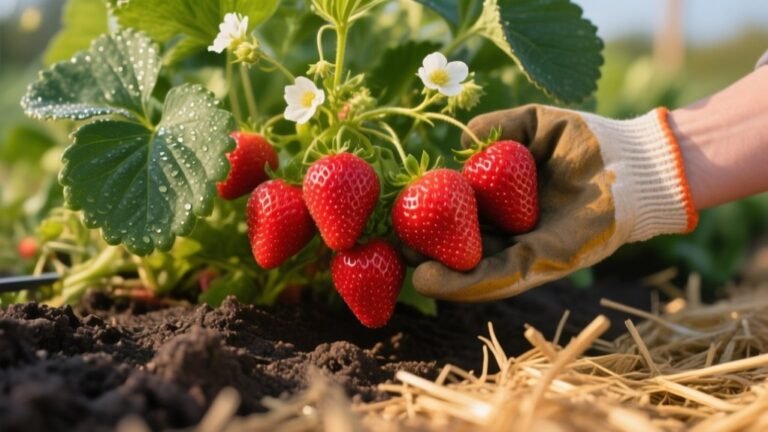
While most strawberries are enjoyed in spring, local farms in North Carolina use solar tunnels to extend the harvest well into winter.
These tunnels create a microclimate that mimics spring conditions, allowing strawberries to ripen earlier and continue producing beyond the traditional season.
By using this technology, farms increase strawberry production year-round, so you can find fresh, locally grown berries at your local grocery store even in colder months.
This extended season not only provides you with more access to fresh fruit but also supports sustainable farming practices by reducing reliance on imported strawberries.
Thanks to solar tunnels, you don’t have to wait for spring to enjoy sweet, juicy strawberries.
Local farms keep them coming throughout the year, enhancing both availability and freshness.
How to Choose the Sweetest Fresh Strawberries Anytime
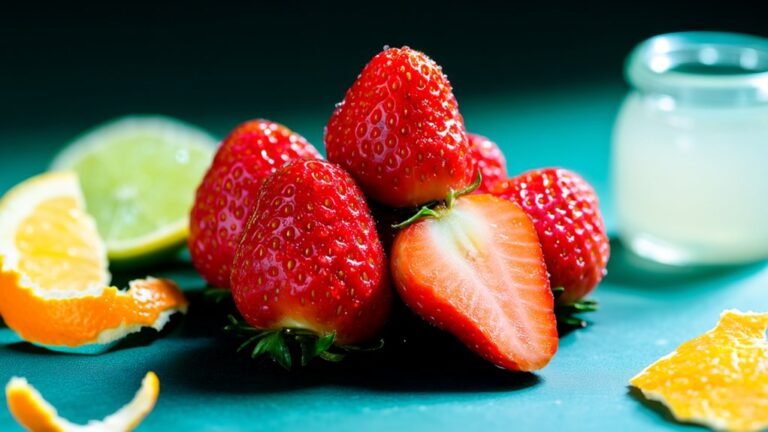
When you’re picking strawberries, go for the bright red ones with shiny skin and those fresh green caps—they tend to be the sweetest.
Give them a gentle squeeze to see if they’re firm, and take a quick sniff too; ripe strawberries usually have a sweet, fragrant aroma.
Oh, and don’t forget to check the bottom of the container for any moisture—that could mean they’re starting to spoil before you buy.
Identifying Ripe Strawberries
Choosing the sweetest fresh strawberries starts with spotting bright red berries that have a shiny surface and a vibrant green calyx. When identifying ripe strawberries, focus on firmness and a sweet aroma, signs they’re ready to enjoy.
Avoid berries that feel hard or show white patches, as these aren’t fully ripe, and skip overly soft or mushy ones, which indicate overripeness. Remember, size doesn’t guarantee sweetness; smaller strawberries can pack more flavor.
For food safety, always check the container’s bottom for moisture, which can signal spoilage. By picking strawberries that meet these criteria, you’ll bring home the best, tastiest fruit every time, ensuring freshness and safety without compromise.
Inspecting Berry Appearance
Picking strawberries involves more than just spotting a bright red color. When you inspect their appearance, look for berries with a shiny exterior and no bruises, as these signs point to ripe, flavorful fruit.
Check that the green cap, or calyx, is intact. This helps keep the strawberries fresh and prevents moisture loss. Don’t be fooled by size; small or large, what matters most is color and firmness.
Also, peek at the bottom of the container for any moisture, which could mean spoilage or mold.
Smell and Texture Check
A sweet, fragrant aroma signals that strawberries are ripe and ready to enjoy. When selecting fresh fruit, trust your sense of smell. Ripe strawberries emit a noticeable sweetness that hints at their flavor.
Along with aroma, texture plays an essential role. Choose berries that feel firm but not hard. Avoid any that are soft or mushy, as these tend to be overripe and less flavorful.
Don’t be fooled by size; focus on color and texture instead. Also, check the container’s bottom for moisture or spoilage signs, which can affect freshness.
Washing and Handling Strawberries Safely
Because strawberries are delicate and prone to spoilage, you should wash them under running water just before eating to remove dirt and bacteria. Proper washing helps keep the fruit safe and fresh.
When handling strawberries, be gentle to avoid bruising, which can lead to faster spoilage and potential foodborne illness. Always wash your hands thoroughly before and after handling strawberries to prevent cross-contamination.
Remember these key tips for washing, storing, and handling strawberries safely:
- Wash strawberries only before consumption, never before storing.
- Cut away any damaged areas to avoid harmful bacteria.
- Handle strawberries gently to maintain freshness and quality.
How to Store Fresh Strawberries to Keep Them Fresh Longer
When you bring fresh strawberries home, storing them properly can extend their freshness for several days. First, check that strawberries are ripe and free from bruises or mold, as damaged berries spoil quickly.
To store fresh strawberries, avoid washing them until you’re ready to eat because moisture speeds up spoilage. Keep the hull intact to maintain firmness. Line a container with paper towels to absorb excess moisture, then place the strawberries in a single layer inside a plastic container.
Store strawberries unwashed with hulls on, in a paper towel-lined container to keep them fresh longer.
Refrigerate promptly and keep them away from strong-smelling foods to preserve their natural sweetness.
While freezing strawberries is a great option for long-term storage, fresh berries are best enjoyed within 2 to 5 days for peak flavor and texture.
How to Freeze Strawberries for Long-Term Use
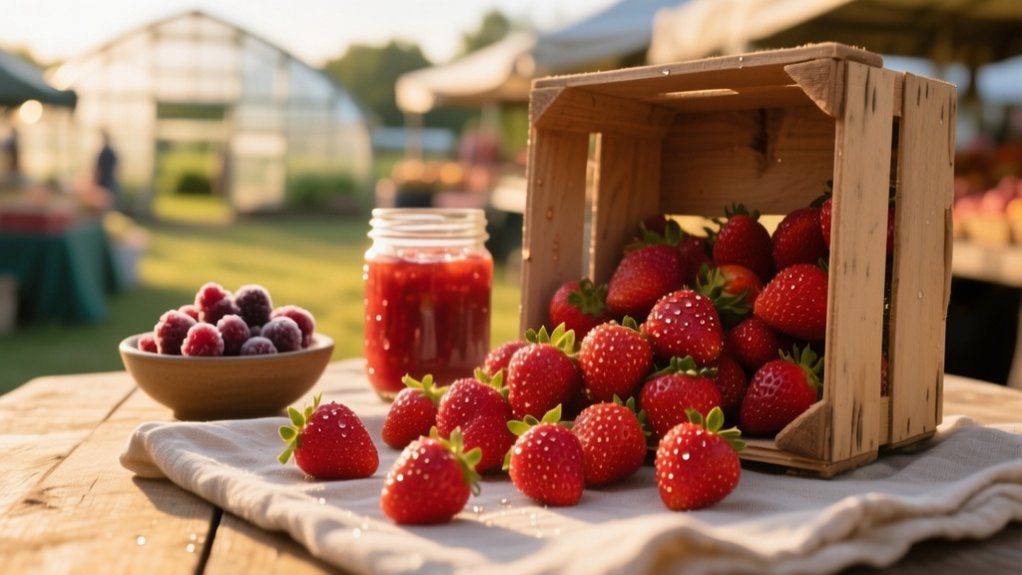
Freezing strawberries is a simple way to enjoy their flavor year-round while preserving their quality for up to a year.
To freeze strawberries effectively and keep your juicy strawberries tasting fresh, follow these steps:
Wash and hull the strawberries, then pat them dry to maintain texture.
Spread the strawberries in a single layer on a cookie sheet and freeze for 2-4 hours to prevent clumping.
Transfer the frozen strawberries to airtight bags, remove excess air, label with the date, and store in the freezer.
Growing Strawberries Indoors for Year-Round Harvests
If you want to grow strawberries indoors successfully, start by choosing containers that are at least six to eight inches deep and have good drainage. This helps prevent water from pooling at the bottom and keeps the roots healthy.
Next, make sure your strawberry plants get plenty of light—ideally, at least six hours of direct sunlight each day. If natural sunlight is limited, you can always use LED grow lights to give them the boost they need to thrive.
And don’t forget to keep an eye on the soil moisture. Water your plants about once a week, making sure the soil stays moist but not soggy. This balance is key to helping your strawberries grow strong and juicy.
Choosing Suitable Containers
Selecting the right container plays an essential role in successfully growing strawberries indoors for year-round harvests. The right containers support healthy roots and encourage abundant fruit production.
When choosing containers, keep these key points in mind: Use containers at least six to eight inches deep to accommodate the shallow root system. Make sure containers have drainage holes to prevent waterlogging and root rot.
Fill containers with lightweight, well-draining potting mix enriched with organic matter like worm castings. These steps will help maintain proper moisture and nutrient levels, vital for growing juicy strawberries indoors.
With suitable containers, you set the foundation for thriving plants and delicious fruit, even when strawberries aren’t in season outside.
Optimizing Light Exposure
Once you’ve set up the right containers, the next step is making certain your strawberries get enough light. Indoor strawberries need at least six hours of direct sunlight daily. But when natural light falls short, supplement with LED grow lights for 12 hours to mimic outdoor conditions.
Proper light exposure boosts growth and fruit production, which is essential for growing strawberries indoors year-round.
| Light Source | Duration | Benefit |
|---|---|---|
| Natural Sunlight | 6+ hours daily | Promotes healthy growth |
| LED Grow Lights | 12 hours daily | Supplements natural light |
| Combined Light | 6 hrs sun + 12 hrs LED | Maximizes yield and quality |
Keep monitoring light exposure closely to make certain your indoor strawberries thrive and produce consistently.
Managing Soil And Water
Although growing strawberries indoors gives you control over many factors, managing soil and water correctly remains essential for healthy plants and steady harvests.
To grow indoor strawberries successfully, focus on these key points:
Use well-draining soil to avoid root rot and enrich it with worm castings for extra nutrients.
Water your plants weekly, keeping the soil moist but never soggy, as indoor strawberries need less frequent watering than outdoor ones.
Monitor soil moisture regularly, adjusting your watering schedule to prevent overwatering or drying out.
Creating Ideal Soil, Water, and Light Conditions Indoors
When growing strawberries indoors, you’ll want to create a well-draining, nutrient-rich soil environment that supports their shallow roots. Use soil enriched with organic matter like worm castings for nutrients.
Water your plants weekly, keeping soil moist but never soggy to avoid root rot. Provide at least six hours of direct sunlight daily; supplement with LED grow lights if natural light is limited.
Monitor soil moisture carefully, as indoor conditions mean less frequent watering than outdoors. Creating ideal soil, water, and light conditions indoors guarantees healthy, productive strawberry plants.
| Factor | Recommendation | Purpose |
|---|---|---|
| Soil | Well-draining, rich in organic matter | Supports shallow roots |
| Water | Once a week, moist but not soggy | Prevents root rot |
| Light | 6+ hours direct sun or LED grow light | Promotes flowering and fruiting |
| Soil Texture | Soft, loose | Allows root expansion |
| Monitoring | Check moisture regularly | Maintains peak hydration |
Delicious Ways to Enjoy Strawberries Beyond Fresh Eating
After nurturing your strawberry plants indoors, you’ll want to explore creative ways to enjoy the fruits of your labor beyond simply eating them fresh.
To savor strawberries all year long, try incorporating them into dishes that highlight their natural sweetness and versatility.
Here are some delicious ways to enjoy strawberries that go beyond basic eating strawberries fresh:
- Add them to salads with spicy greens, cheese, and nuts for a flavorful, nutritious boost.
- Top your toast, oatmeal, or cereal with sliced strawberries for a sweet and energizing breakfast.
- Dip strawberries in melted dark chocolate or Nutella for a decadent dessert or snack.
These ideas help you enjoy strawberries all year long while keeping your meals exciting and delicious.
Frequently Asked Questions
Can Strawberries Cause Allergic Reactions?
Yes, strawberries can cause allergic reactions, especially if you have strawberry allergies. You might experience symptoms like itching, swelling, hives, or even more severe responses.
To manage symptoms, avoid eating strawberries and watch for cross-reactivity with other fruits.
For treatment options, consult an allergist who can provide testing and recommend strategies like antihistamines or emergency action plans.
Taking these steps helps you stay safe and enjoy other foods comfortably.
Are Strawberries Beneficial for Specific Health Conditions?
Yes, strawberries are beneficial for specific health conditions. You’ll find strawberry nutrition packed with vitamin C and fiber, which supports your immune system and digestion.
Their antioxidant properties help reduce oxidative stress, lowering your risk of chronic diseases.
Regularly eating strawberries can improve your heart health by lowering blood pressure and cholesterol levels.
What Are the Differences Between Organic and Conventional Strawberries?
Imagine biting into a strawberry bursting with sunshine. Organic farming practices nurture this vibrant flavor profile naturally, avoiding synthetic pesticides.
Conventional strawberries often focus on yield, sometimes sacrificing taste and purity. You’ll notice consumer purchasing trends lean toward organic options, valuing health and sustainability.
So, when you choose organic, you’re savoring richer flavors and supporting eco-friendly methods.
Conventional ones might offer affordability but less depth in taste and environmental care.
How Do Pesticides Affect Strawberry Safety?
Pesticides affect strawberry safety because pesticide residues can remain on their thin skin, increasing potential health risks if not washed properly.
You should be aware that strawberries often rank high for pesticide residues, so consumer awareness is key.
Washing them thoroughly or choosing organic strawberries can reduce your exposure.
Staying informed helps you enjoy strawberries safely while minimizing any health risks linked to pesticide contamination.
Are Frozen Strawberries as Nutritious as Fresh Ones?
Yes, frozen strawberry nutrition is comparable to fresh strawberry benefits because freezing preserves most vitamins and antioxidants.
You won’t lose much nutritional value, so you can confidently use frozen berries to whip up strawberry smoothie recipes anytime.
Just thaw and enjoy. They keep fiber intact and last much longer than fresh strawberries.
This makes frozen strawberries a convenient, healthy option to enjoy year-round without sacrificing taste or nutrients.
Conclusion
Strawberries might have a peak season, but with smart choices, you can enjoy their sweetness all year long. Whether you’re picking them fresh from local farms using solar tunnels, freezing your favorite batches, or even growing them indoors, you’ve got plenty of options.
So, why limit yourself to just a few months? Embrace these tips, and you’ll always have strawberries ready to brighten your day, no matter the season.