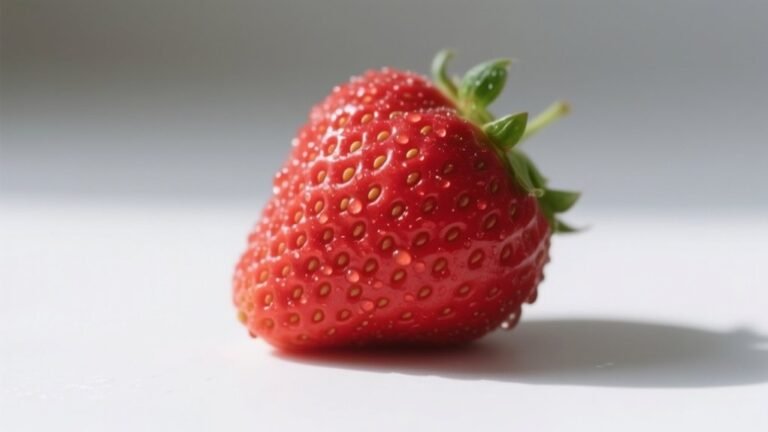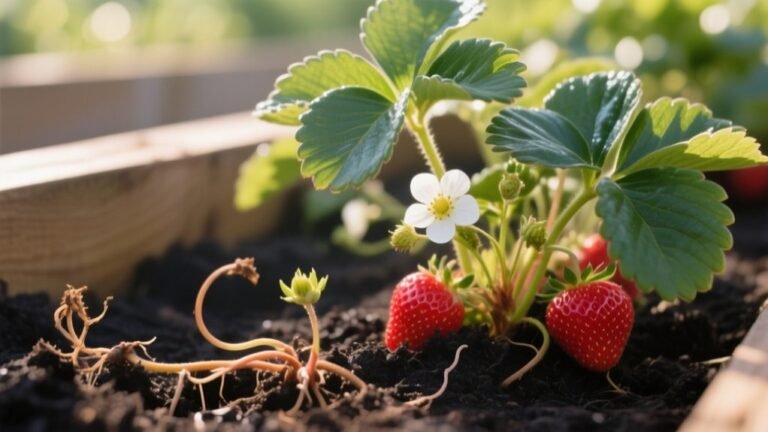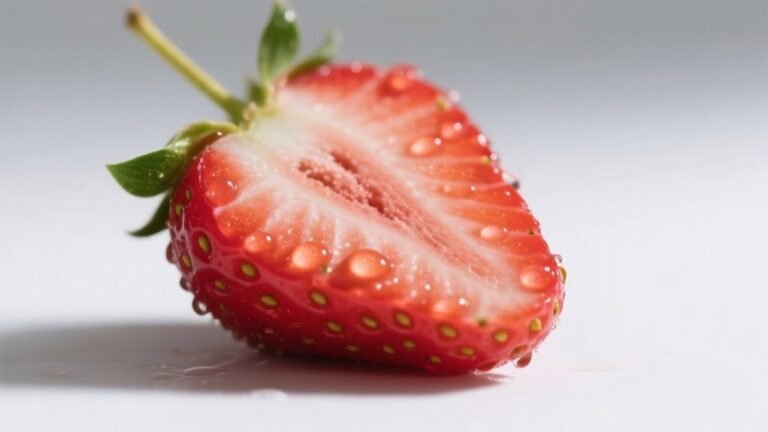


Where Are Strawberries Native?
You’ll find strawberries native mainly across temperate North America and Europe, thriving in forests, meadows, and shaded spots. Wild types like woodland and Virginia strawberries adapt well to varied soils and climates, even appearing in parts of Asia and South America.
These native species offer intense flavors and strong pest resistance. Their genetic diversity helps farmers develop better cultivars. If you want to understand how these regions shape strawberry varieties and their uses, there’s much more to explore.
Native Regions of Wild Strawberries
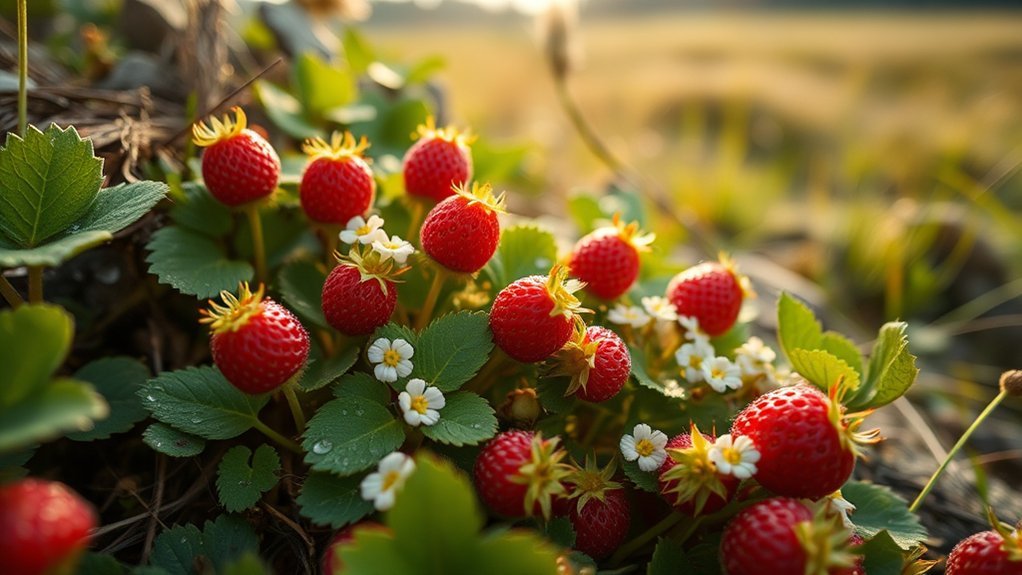
Although wild strawberries are often overlooked, they thrive across both North America and parts of Europe, particularly the woodland strawberry (Fragaria vesca) and Virginia strawberry (Fragaria virginiana).
Wild strawberries quietly flourish across North America and Europe, especially the woodland and Virginia varieties.
You’ll find these wild strawberries flourishing in diverse habitats, from forests to meadows, where dappled shade nurtures their growth.
The Virginia strawberry adapts impressively well to various soil types and climates, making it widespread throughout North America.
Fragaria vesca, native to Europe and parts of North America, also thrives in similar environments.
While smaller than cultivated varieties, these wild strawberries pack a more intense, aromatic flavor.
Native North American Strawberry Species and Habitats
You’ll find native North American strawberries, like the Virginia and woodland species, thriving in distinct habitats—from open meadows to shaded forests.
Each species adapts to its environment, which really helps boost the region’s biodiversity and supports local wildlife.
Native Species Diversity
Strawberries in North America come from a diverse group of native species that thrive in various habitats across the continent. One key species you’ll encounter is the Virginia strawberry (Fragaria virginiana), known for its sweet fruit and adaptability.
Alongside it, the woodland strawberry (Fragaria vesca) prefers shaded forest areas. Both contribute greatly to local ecosystems by supporting wildlife and biodiversity.
| Species | Common Name | Habitat Preference |
|---|---|---|
| Fragaria virginiana | Virginia strawberry | Diverse soils, climates |
| Fragaria vesca | Woodland strawberry | Forest understories |
| Fragaria chiloensis | Beach strawberry | Coastal areas |
| Fragaria virginiana | Virginia strawberry | Wild & cultivated areas |
You’ll find these species integral to North America’s natural strawberry diversity.
Typical Habitats and Range
The native strawberry species of North America thrive in a range of habitats that reflect their adaptability and ecological roles.
When you explore woodlands, you’ll often find Fragaria vesca, or the woodland strawberry, growing in dappled shade with well-drained soils, especially in forest understories and along trails.
On the other hand, the Virginia strawberry, or Fragaria virginiana, adapts well to grasslands, meadows, and even disturbed soils, showing impressive resilience across various environments.
These native strawberries, smaller and more intensely flavored than cultivated types, naturally flourish without human care.
Their geographic range stretches from Canada through much of the United States, allowing you to spot them in diverse climates and ecosystems.
Understanding these typical habitats helps you appreciate where native strawberries truly belong.
Native European Wild Strawberry Species and Origins
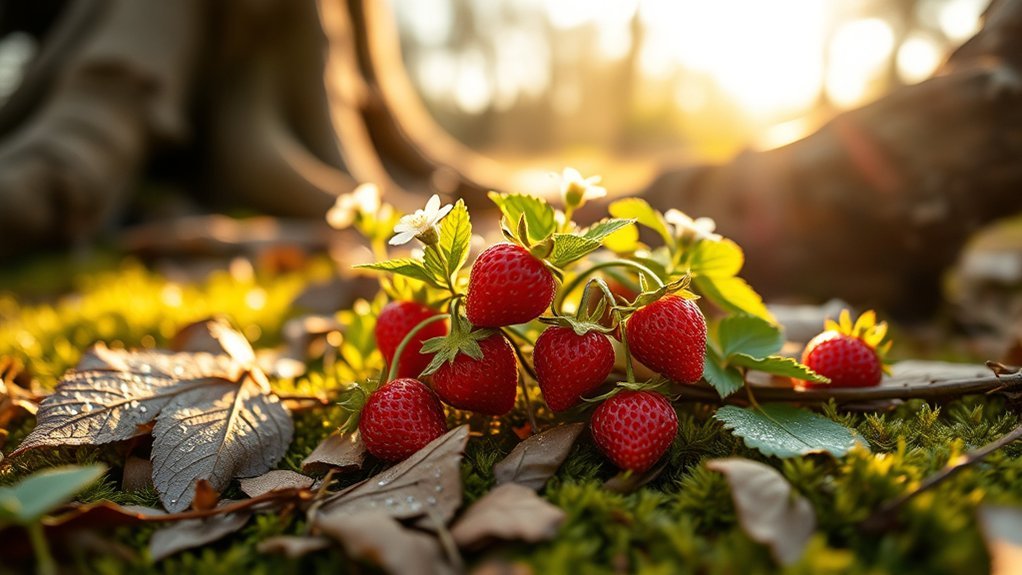
You’ll find that Europe is home to native wild strawberries like Fragaria vesca and Fragaria viridis.
These little berries thrive in all sorts of habitats across the continent. They’ve got quite a history too—people have been enjoying them since ancient times.
Over the years, they spread naturally through forests and meadows. When you think about where they grow, it really helps you appreciate how they shaped the strawberries we recognize today.
European Wild Strawberry Species
Although often overlooked, native European wild strawberry species have played an essential role in shaping the strawberries you enjoy today.
Fragaria vesca, commonly called the woodland strawberry, is key among these species. You’ll find it across Europe and parts of Asia, known for its small, fragrant berries that pack a flavorful punch.
Besides Fragaria vesca, species like Fragaria moschata, the musk strawberry, and Fragaria viridis, the green strawberry, also contribute unique aromas and colors to the wild strawberry family.
These native species have influenced the development of cultivated strawberries, especially the garden strawberry you’re familiar with. Their adaptability to various habitats across Europe highlights their resilience and importance in strawberry breeding and cultivation history.
Native Strawberry Habitat
When you explore woodlands, hedgerows, or grasslands across Europe and parts of Asia, you’ll often spot Fragaria vesca thriving in these habitats. This native strawberry prefers dappled shade and well-drained soils, adapting well to diverse climates.
In southeastern Europe, you’ll also find Fragaria viridis flourishing in dry, sandy soils. Both species contribute greatly to local ecosystems, supporting pollinators and wildlife.
These wild strawberries have ancient origins, dating back to times when humans first gathered and consumed them. Their resilience across various environments makes them key players in maintaining biodiversity.
Historical Strawberry Distribution
The native European wild strawberries, like Fragaria vesca and Fragaria viridis, have long shaped the landscapes you explore.
Fragaria vesca thrives across Europe and Asia, from woodlands to meadows, while Fragaria viridis prefers temperate climates with well-drained soils.
Historical accounts reveal that people have enjoyed these wild strawberries since ancient times, with Roman poets Virgil and Ovid praising them in the 1st century A.D.
The story of strawberries took a turn in the 17th century when the Virginia strawberry (Fragaria virginiana) was introduced to Europe.
This North American species played a vital role in developing the cultivated strawberries you find today, blending with native varieties during the Renaissance to create new, flavorful hybrids.
Your modern strawberries owe much to this rich history of native and introduced species.
Native South American Strawberry Species and Distribution
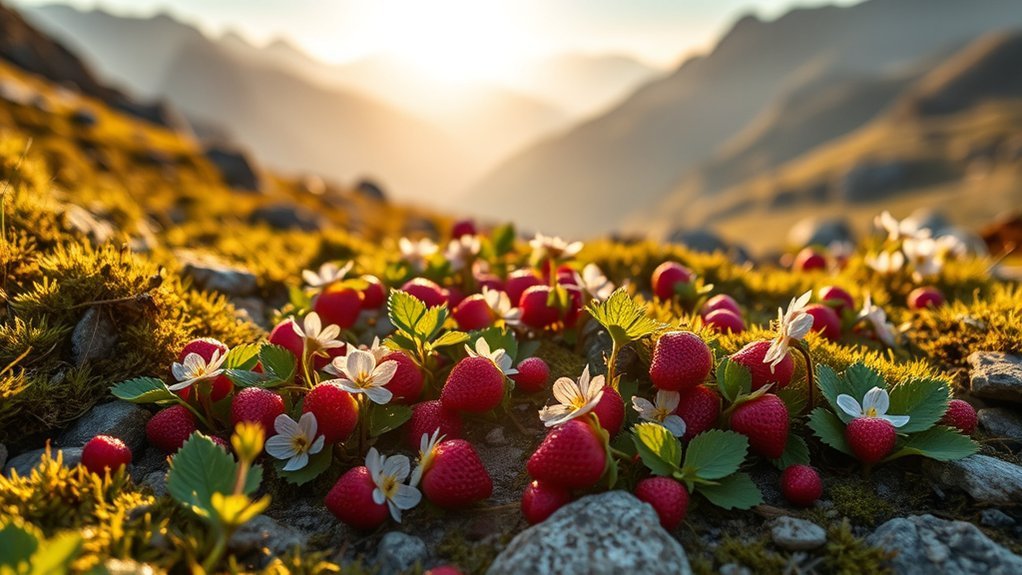
South America’s native strawberry species, like Fragaria chiloensis and Fragaria vesca, offer unique traits and histories you might find fascinating.
The Chilean strawberry (Fragaria chiloensis), known for its larger fruit size, has been cultivated since the 17th century and played a significant role in developing modern garden strawberries.
Meanwhile, Fragaria vesca, or the woodland strawberry, grows in various South American regions, including the Andes. You’ll find these native species primarily along the temperate coasts of Chile and Argentina, where they’ve adapted well to diverse environmental conditions.
Their resilience supports local ecosystems and highlights their importance beyond just fruit production. Knowing about these native South American strawberries gives you insight into the continent’s rich botanical heritage and the origins of some strawberries you enjoy today.
Native Asian Strawberry Species and Distribution
You might be surprised to learn that Asia, much like South America, hosts native strawberry species that have shaped the fruits you enjoy today. Among the native Asian strawberry species, Fragaria nipponica stands out, native to Japan and parts of Eastern Asia. This species produces small, aromatic fruits perfectly suited to Japan’s climate.
While Fragaria chiloensis primarily spans the Pacific coast from Alaska to Chile, its influence extends into Asian strawberry breeding. These native Asian strawberry species contribute considerably to biodiversity and play a key role in improving cultivated varieties. Breeders use them to enhance flavor, disease resistance, and adaptability.
You’ll find these strawberries thriving across diverse Asian ecosystems, from coastal zones to mountainous regions, showcasing their remarkable ecological range.
Adaptations of Native Strawberries to Local Environments
You’ll notice native strawberries have developed clever ways to handle local climates.
For example, they thrive in cooler, shaded spots and have adapted to various soil types.
Plus, they’ve built up natural defenses against pests common in their habitats.
When you understand these traits, it really helps you appreciate how well they fit into their environments.
Climate Adaptation Mechanisms
Although native strawberries like Fragaria vesca and Fragaria virginiana may appear delicate, they’ve developed impressive adaptations to thrive in varied local environments. You’ll find Fragaria virginiana especially resilient, enduring cooler temperatures and frost common in temperate climates.
These plants spread through runners, helping them establish in new spots even when conditions shift. Their smaller size conserves resources, making them competitive in ecosystems with fluctuating moisture.
| Adaptation | Benefit |
|---|---|
| Frost tolerance | Survives cold, extends growing season |
| Runner production | Colonizes new areas effectively |
| Size reduction | Conserves nutrients and water |
| Moisture flexibility | Thrives in wet and dry soils |
Understanding these mechanisms helps you appreciate how native strawberries persist despite climate challenges.
Soil and Nutrient Preferences
Native strawberries don’t just adapt to climate; they also thrive by optimizing their soil and nutrient conditions.
You’ll find native strawberries like Fragaria vesca and Fragaria virginiana flourishing in well-drained, loamy soils that hold moisture without becoming soggy.
They prefer slightly acidic to neutral pH levels between 5.5 and 7.0, which helps them absorb nutrients efficiently.
When you grow native strawberries, you’ll notice they often thrive in dappled shade, reducing water loss and sunlight competition.
Their deep root systems allow them to access moisture and nutrients from deeper soil layers, boosting their resilience.
While their fruit might be smaller than cultivated types, native strawberries excel in adapting to local soil environments, making them robust survivors in varied habitats.
Resistance to Local Pests
When you explore the natural habitats of Fragaria vesca and Fragaria virginiana, you’ll find they’ve evolved impressive defenses against local pests and diseases.
Native strawberries develop natural chemical defenses, like phenolic compounds, that deter herbivores and reduce pest damage.
Their genetic diversity means some plants carry traits making them resistant to specific pests common in their native environments.
For example, native strawberries in Utah thrive across various soil types and microclimates, helping them avoid pests that often attack non-native or cultivated varieties.
By understanding these resistance mechanisms, you can support breeding programs aimed at boosting cultivated strawberries’ resilience.
Native strawberries show how adaptation to local conditions equips plants to survive and flourish with minimal intervention against pests.
Differences Between Native and Cultivated Strawberries
If you’ve ever tasted both wild and store-bought strawberries, you might notice that native varieties like woodland and Virginia strawberries pack a richer, more complex flavor despite their smaller size.
Native strawberries, such as Fragaria vesca and Fragaria virginiana, grow naturally in local environments and have evolved to resist pests and diseases.
In contrast, cultivated strawberries like Fragaria ananassa are bred primarily for size, sweetness, and uniformity, often sacrificing flavor complexity.
You’ll also find that native strawberries are diploid with fewer chromosomes, while cultivated types are octoploid, which contributes to differences in growth and fruit characteristics.
When you choose native strawberries, you’re enjoying a fruit adapted to the wild, offering a distinct taste and resilience that commercial varieties can’t match.
Ecological Importance of Native Strawberries in Local Ecosystems
Although they might seem small and unassuming, native strawberries like Fragaria vesca and Fragaria virginiana play an essential role in supporting local ecosystems.
Native strawberries such as Fragaria vesca and Fragaria virginiana are vital for sustaining local ecosystems.
You’ll find that native strawberries provide vital food sources for birds, insects, and other wildlife, helping maintain a balanced food web.
Their root systems stabilize soil, preventing erosion and promoting soil health in their natural habitats.
By supporting pollinators with nectar and pollen, native strawberries also boost the reproductive success of many plants around you.
When native strawberries thrive, they enhance biodiversity and create habitats for various organisms, making the ecosystem more resilient.
Conservation Status and Threats to Native Strawberry Species
Because native strawberries like the woodland strawberry (Fragaria vesca) and Virginia strawberry (Fragaria virginiana) face increasing habitat loss from urban development and farming, their populations are under significant threat. You should know that invasive species, climate change, and competition further jeopardize native strawberry species.
Unfortunately, their conservation status is often poorly documented, which limits targeted protection efforts. Supporting conservation initiatives that preserve native flora can help you protect these valuable plants.
| Threat | Impact on Native Strawberries | Conservation Approach |
|---|---|---|
| Habitat Loss | Population decline due to fewer habitats | Habitat preservation |
| Invasive Species | Resource competition and displacement | Control invasive plants |
| Climate Change | Altered growth conditions | Research and adaptive management |
How Strawberries Spread Beyond Their Native Regions
When colonists brought native strawberry plants from the Americas to Europe in the early 1600s, they set the stage for strawberries to thrive far beyond their original habitats.
You’ll find that the hybridization of North American species like the Virginia strawberry and Chilean strawberry in the 18th century created the modern garden strawberry, boosting strawberry production worldwide.
By the 19th century, improved cultivation techniques and refrigerated shipping expanded strawberry production, especially in the United States.
Advancements in cultivation and shipping methods in the 19th century boosted strawberry production across the United States.
Europe, particularly France, quickly embraced strawberries, becoming a hub for cultivation. Strawberry festivals in the U.S. further promoted the fruit’s popularity, encouraging growers to increase production across various regions.
This global spread transformed strawberries from native plants into a beloved fruit enjoyed well beyond their original native lands.
Indigenous Uses of Native Strawberries Across Regions
As strawberries spread across continents, their importance went beyond cultivation and commerce. Indigenous peoples across North America cherished native strawberries like the Virginia strawberry, using them in traditional dishes and as natural sweeteners.
You’d find the Woodland strawberry gathered fresh or in medicinal remedies. These berries weren’t just food; they symbolized abundance and connection to the land in ceremonies.
To preserve nutrition, people dried strawberries for winter months. This deep relationship highlights native strawberries’ crucial role in Indigenous diets and culture.
| Region | Strawberry Species | Indigenous Use |
|---|---|---|
| Eastern N. America | Virginia strawberry | Traditional dishes, sweetener |
| Various forests | Woodland strawberry | Fresh consumption, medicinal use |
| Northern areas | Native strawberries | Drying for winter preservation |
Influence of Native Strawberry Species on Breeding Programs
Though native strawberry species like Fragaria virginiana and Fragaria vesca might seem modest, they play an important role in modern breeding programs.
You’ll find that these native species provide crucial genetic diversity, helping breeders develop new cultivars with improved traits such as disease resistance and adaptability to various environments.
By incorporating native species, breeders create hybrids boasting larger fruit, enhanced flavor, and longer shelf life.
Research into the genetic makeup of these native strawberries, especially their polyploidy and chromosome variations, guides breeding strategies effectively.
When you use native species in breeding, you also support biodiversity and produce varieties better suited to local growing conditions and consumer tastes.
Frequently Asked Questions
How Do You Grow Strawberries From Seeds at Home?
To grow strawberries from seeds at home, start by soaking them for 24 hours to boost seed germination.
Sow seeds on moist seed-starting mix, lightly covering them since they need light to sprout.
Keep the soil consistently moist and temperature around 70°F. Seed germination usually takes 2-3 weeks.
When seedlings have two true leaves, transplant them into bigger pots or your garden, hardening them off first to avoid shock.
What Is the Best Season to Plant Strawberry Plants?
Think of planting timing as catching the perfect wave. You want to plunge just as spring whispers its arrival.
The best season to plant strawberry plants is early spring, around March to April, when soil warms to about 60°F. This timing lets your berries soak up sunlight and establish roots before summer’s heat.
If you’re in a mild climate, fall planting in September or October works too, giving your plants a head start.
Can Strawberries Be Grown Indoors Successfully?
Yes, you can grow strawberries indoors successfully with the right setup.
For indoor cultivation, provide 12-16 hours of bright, indirect light or use grow lights.
Use a 12-inch pot with good drainage, keep temperatures between 60°F and 80°F, and water regularly to keep soil moist but not soggy.
Choose everbearing varieties like ‘Albion’ or ‘Seascape’ for continuous fruit production.
Fertilize every 4-6 weeks to support healthy growth.
What Pests Commonly Affect Strawberry Plants?
Ever wondered why your strawberry plants look unhealthy? Common pests like strawberry aphids, fruit flies, moths, and root weevils often cause damage.
These pests can transmit diseases, infest fruit, and harm roots, reducing your yield. You need to stay proactive with pest management to protect your crop.
Using integrated pest management (IPM) strategies helps you minimize damage and keep your strawberries healthy and productive throughout the growing season.
How Long Does It Take for Strawberries to Bear Fruit?
You can expect strawberries to bear fruit within about 4 to 6 weeks after flowering, depending on your variety and growing conditions.
Your fruit timeline starts once blooms appear, with June-bearing types fruiting in late spring to early summer.
Everbearing varieties extend that timeline through summer and fall.
Keep your plants well-watered, sunny, and in good soil to help speed up fruit production and reach peak yields by the second year.
Conclusion
You’ve seen how strawberries originally thrived across continents, from North America’s forests to Europe’s meadows and Asia’s wild hills. These native species, like time travelers in a steampunk novel, have journeyed through history, shaping the fruits we enjoy today.
Knowing their roots helps you appreciate their delicate beauty and the need to protect them. So next time you bite into a strawberry, remember the ancient lands and stories behind that sweet flavor.