

Is the Strawberry Moon Tonight?
You’re not seeing the Strawberry Moon tonight because it won’t rise until June 29, 2026, at 7:56 p.m. Eastern Time. This full moon gets its name from the wild strawberry harvest and is best viewed with clear skies and low light pollution.
Weather and wildfire smoke can also affect how vibrant it appears. If you’re curious about its timing, cultural significance, and the best ways to catch this special moon, there’s plenty more to discover.
When Is the Strawberry Moon in 2025 and Later Years?
Although the exact date of the Strawberry Moon shifts each year due to lunar cycles, you can expect it to appear overnight from June 10 to June 11 in 2025, peaking at 3:44 a.m.
This June full moon marks either the last of spring or the first of summer, aligning with the strawberry harvest.
If you’re curious about the moon tonight beyond 2025, the Strawberry Moon will return on June 29, 2026, at 7:56 p.m. Eastern Time.
In 2027, it’ll arrive on June 18 at 8:44 p.m. Eastern Time.
These dates vary slightly each year because of natural lunar and seasonal shifts.
Can You See the Strawberry Moon Tonight?
You won’t have to wait long to catch the Strawberry Moon tonight, as it reaches its peak at 7:56 PM Eastern Time.
This Full Moon promises a spectacular show, especially if you catch the moonrise, when it will follow an unusually low arc across the sky.
To make the most of this event, consider these tips:
To fully enjoy the Strawberry Moon, follow these simple tips for the best viewing experience.
- Check local weather for clear skies to guarantee the best visibility.
- Watch for wildfire smoke, which might add a colorful glow to the Strawberry Moon.
- Find a spot with a clear horizon to enjoy the full effect of the moonrise.
With these in mind, you’ll have a great chance to see and appreciate the unique beauty of tonight’s Strawberry Moon.
Strawberry Moon Rise and Set Times in Your Area
You’ll want to check the exact rise and set times for the Strawberry Moon in your area to catch its full beauty.
These times can differ depending on where you are, so using a lunar calculator will help you plan.
Just make sure to note when the moon will be visible so you don’t miss the peak of its glow tonight.
Local Moonrise Schedule
When does the Strawberry Moon rise in your area tonight? The Full Moon in June will grace the sky with its bright glow, but the exact moonrise time depends on where you are.
To catch this stunning event, here’s what you should know:
- The Strawberry Moon reaches peak illumination tonight, June 29, 2026, at 7:56 PM Eastern Time.
- Moonrise times shift by location, so check local resources for precise timing.
- The moon will rise low on the eastern horizon, making it appear larger and more colorful.
Keep an eye out toward the east as the moon climbs and enjoy this special June Full Moon. Clear skies will give you the best view of the moonrise tonight.
Moonset Timing Details
After catching the Strawberry Moon as it rises in the east, keep track of its setting time to make the most of your viewing experience.
Moonrise and moonset times vary depending on where you are, so check local resources to know exactly when June’s Full Moon will disappear below the horizon.
The Full Moon in June reaches peak brightness on June 29, 2026, at 7:56 PM Eastern Time, but you can start watching it as early as the night before.
In some areas, the moonset occurs just before sunrise on June 30, giving you a final chance to see the glowing Strawberry Moon low in the sky.
Don’t forget: clear skies are key to fully enjoying this beautiful lunar event.
Why the Strawberry Moon Is Special
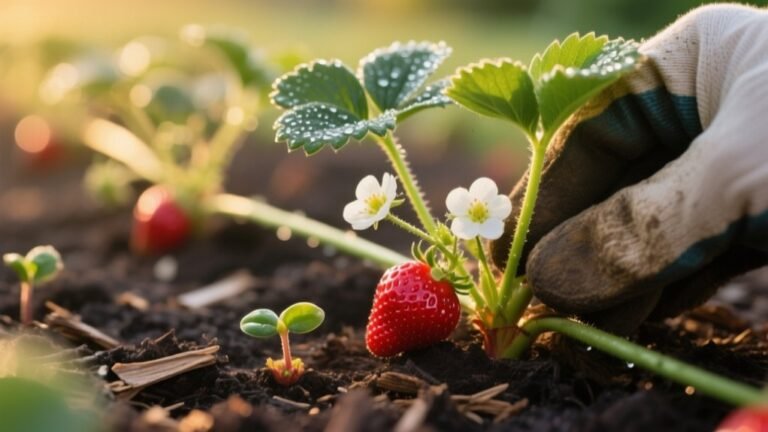
Because the Strawberry Moon coincides with the ripening of wild strawberries in June, it holds special significance rooted in Native American harvest traditions.
The Strawberry Moon marks the time when wild strawberries ripen, deeply tied to Native American harvest customs.
This Full Moon is unique among the Full Moons, appearing near the summer solstice, which marks a pivotal seasonal shift.
You’ll find that the Strawberry Moon stands out for several reasons:
- It signals abundance and fertility, reflecting nature’s flourishing during early summer.
- The moon often appears with a reddish tint near the horizon, creating a stunning visual effect.
- It represents a bridge between spring’s end and summer’s onset, symbolizing renewal and growth.
Why Is It Called the Strawberry Moon?
You might be wondering why it’s called the Strawberry Moon when it doesn’t actually look red.
Well, the name comes from Native American tribes who associated this full moon with the time of harvesting wild strawberries in June.
So, it’s not about the moon’s color at all. Instead, it highlights its connection to the seasonal harvests during that time of year.
Makes sense, right?
Native American Origins
While the Strawberry Moon doesn’t actually turn red, Native American Algonquian tribes named it to mark the time when wild strawberries ripen in June. This signals the start of berry harvest season. This name reflects more than just the fruit; it ties to nature’s rhythms.
You’ll find that:
- Native American tribes like the Algonquian used “Strawberry Moon” as a seasonal marker, not a color description.
- The Haida call it the “Berries Ripen Moon,” emphasizing the abundance of ripe fruits during this lunar phase.
- Other names like the Green Corn Moon and Hot Moon show how different tribes recognized seasonal changes.
Seasonal Harvest Significance
The names Native American tribes gave the full moon reveal its close ties to the natural world and seasonal shifts. The Strawberry Moon gets its name from the wild strawberries that ripen in June, signaling an essential time for seasonal activities like gathering and harvesting.
Tribes like the Haida called it the “Berries Ripen Moon,” underscoring how this period fits within broader agricultural cycles. You’ll notice that this full moon aligns closely with the summer solstice, marking a peak in nature’s fertility and abundance.
It’s not just about strawberries; other names like Green Corn Moon reflect ongoing agricultural tasks tied to warming weather.
Moon Color Misconception
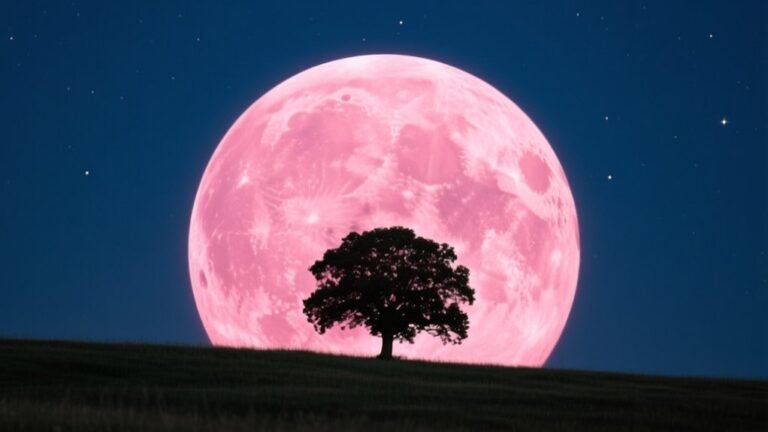
Although many assume the Strawberry Moon gets its name from a reddish hue, it actually refers to the timing of wild strawberries ripening in June. The name celebrates this seasonal event rather than the moon’s color during its moon phases.
You might notice a reddish-pink color occasionally, but that’s due to atmospheric effects near the horizon, not the moon itself.
Here’s what you should know:
- The Strawberry Moon marks when wild strawberries are ready for harvest, a tradition from Native American tribes.
- Its name reflects seasonal abundance and fertility, not the moon’s actual color.
- Other names like Blooming Moon or Green Corn Moon highlight different June seasonal themes.
How the Strawberry Moon Relates to the Summer Solstice
Because the Strawberry Moon often appears near the summer solstice, you can witness a unique blend of lunar and solar events that mark a pivotal moment in the year. This lunar event usually coincides with the summer solstice, the longest day, signaling seasonal abundance.
The Strawberry Moon represents either the last full moon of spring or the first of summer, aligning perfectly with increased daylight and warmth. Observing it during this time connects you to agricultural cycles and cultural celebrations.
| Event | Date Range | Significance |
|---|---|---|
| Strawberry Moon | Late June | Marks ripening of strawberries |
| Summer Solstice | June 20-22 | Longest day of the year |
| Lunar Cycle | ~29.5 days | Synchronizes with solar events |
How Wildfire Smoke and Weather Affect Strawberry Moon Viewing
You might notice the Strawberry Moon looking more colorful if wildfire smoke drifts across the sky. It’s pretty interesting how smoke particles can change the way the moon appears to us.
But, don’t forget to keep an eye on the weather forecast. Clouds can move in quickly and block your view before you know it.
Wildfire Smoke Effects
When wildfire smoke drifts across the sky, it can transform the Strawberry Moon’s appearance, casting a vibrant hue that makes the moon seem more colorful and larger than usual.
However, wildfire smoke can also reduce visibility and create a hazy layer that dims the moon’s brightness and obscures details.
If you’re planning to watch the Strawberry Moon, keep these in mind:
- Smoke particles scatter light, enhancing the moon’s colors and size when it’s low on the horizon.
- Dense smoke can blur the moon, making it harder to see clearly.
- Check local air quality advisories, as wildfire smoke may impact your health during outdoor viewing.
Balancing these effects will help you enjoy the Strawberry Moon safely and fully.
Weather Impact On Visibility
Although wildfire smoke can add striking colors to the Strawberry Moon, clear skies remain essential for the best viewing experience.
When you watch the moon rise, weather conditions like cloud cover or humidity can greatly affect visibility. Smoke may enhance the moon’s reddish glow near the horizon, but too much haze or clouds can obscure it entirely.
To catch the full brilliance of the Strawberry Moon, you should check local forecasts ahead of time to understand how weather conditions will impact your view.
Finding a spot with an unobstructed horizon will also improve your chances of seeing the moon clearly. Staying informed and choosing the right location guarantees you won’t miss this beautiful celestial event despite changing visibility factors.
Tips for the Best View of the Strawberry Moon Tonight
How can you make the most of watching the Strawberry Moon tonight? To enjoy ideal viewing, aim to catch the moon at its peak illumination, which occurs at 7:56 PM Eastern Time.
Here are three tips to enhance your experience:
- Find a spot with clear skies and minimal light pollution to guarantee the best visibility.
- Use binoculars or a telescope for a closer look at the moon’s surface details during peak illumination.
- Dress warmly and bring comfortable seating plus snacks to stay cozy and relaxed while you watch.
Cultural Traditions and Alternative Names for the Strawberry Moon
Because the Strawberry Moon carries rich cultural significance, you’ll find it goes by many names across different traditions. Originating from Native American tribes, it marks the ripening of wild strawberries. Other cultural traditions add their own alternative names, reflecting seasonal changes and activities tied to June’s full moon.
| Culture | Alternative Names | Meaning/Significance |
|---|---|---|
| Native American | Strawberry Moon | Ripening of wild strawberries |
| Celtic | Horse Moon, Rose Moon | Seasonal changes, nature cycles |
| Anglo-Saxon | Mead Moon | Seasonal activities |
| Anishinaabe | Blooming Moon | Flowering period |
| Cherokee/Tlingit | Green Corn Moon, Birth Moon | Agricultural milestones |
These alternative names highlight how the Strawberry Moon connects you to nature and time-honored cultural traditions.
When Is the Next Full Moon After the Strawberry Moon?
Wondering when the next full moon will appear after the Strawberry Moon?
After the Strawberry Moon on June 29, 2026, you can look forward to the next full moon, called the Buck Moon, on July 10, 2026.
The Buck Moon follows the Strawberry Moon, appearing on July 10, 2026.
Here’s what you should know:
- The Buck Moon marks the time when male deer begin growing new antlers.
- It follows the Strawberry Moon and signals mid-summer’s peak.
- After the Buck Moon, the Sturgeon Moon arrives on August 8, continuing the lunar cycle.
Frequently Asked Questions
Can the Strawberry Moon Affect Tides or Weather Patterns?
Yes, the Strawberry Moon can affect tide fluctuations because it’s a full moon, and full moons amplify tidal forces during lunar cycles.
You’ll notice higher high tides and lower low tides, known as spring tides.
However, it doesn’t directly influence weather patterns, so you shouldn’t rely on it for weather prediction.
Seasonal changes around this time might coincide with the moon’s appearance, but the moon itself isn’t driving those weather shifts.
Does the Strawberry Moon Have Any Impact on Agriculture?
You’ll see the Strawberry Moon as a glowing guide that whispers to your crops, signaling harvest and growth.
Its moon phases align perfectly with crop cycles, making lunar gardening a trusted practice.
When you plant or harvest by this full moon, you tap into nature’s rhythm, encouraging stronger roots and fruitful yields.
Are There Any Special Foods or Recipes Linked to the Strawberry Moon?
Yes, you’ll find plenty of special foods linked to the Strawberry Moon.
You can whip up delicious strawberry desserts like shortcakes or jams that celebrate the season’s sweetness.
Don’t forget moon-themed cocktails that mix berry flavors with a celestial twist. They’re perfect for gatherings.
Seasonal fruit salads also shine during this time, combining strawberries with other fresh fruits.
These treats honor the abundance and bring a festive touch to your table.
How Does the Strawberry Moon Influence Animal Behavior?
You’ll notice the Strawberry Moon impacts animal migration patterns by signaling seasonal shifts.
It boosts nocturnal activity since the brighter nights let many creatures forage and hunt more effectively.
You’ll also see changes in reproductive cycles, as the increased light and gravitational pull encourage breeding behaviors among mammals and marine animals.
This moon creates a natural rhythm that guides animals’ movements and behaviors during this time.
Can the Strawberry Moon Be Seen From Other Planets?
You won’t see the Strawberry Moon glowing rosy pink from other planets. Its planetary visibility is Earth-specific because it reflects our unique lunar phases and seasonal cues.
Imagine standing on Mars, watching tiny moons Phobos and Deimos darting irregularly. No full moon here matches Earth’s Strawberry Moon.
Extraterrestrial observation reveals different lunar cycles and names.
Conclusion
So, if you’re wondering whether the Strawberry Moon is lighting up your sky tonight, keep an eye out. You might just catch its rosy glow painting the darkness like a gentle brushstroke.
Remember, weather and wildfire smoke can play spoiler, so pick a clear spot and time your viewing right. Embrace the magic this month’s full moon brings and let its sweet, strawberry-tinted light remind you that nature’s wonders are always within your reach.