


How Much Fiber Is in Strawberries
You get about 3 grams of dietary fiber in every cup of fresh strawberries, making them a tasty way to boost your fiber intake. Strawberries contain both soluble and insoluble fiber, supporting digestion, heart health, and blood sugar control.
They’re low in calories, helping you feel full without overeating. Whether fresh or frozen, strawberry fiber is a smart addition to your diet. Keep exploring to see how it benefits your overall health and weight management.
How Much Fiber Is in Strawberries?
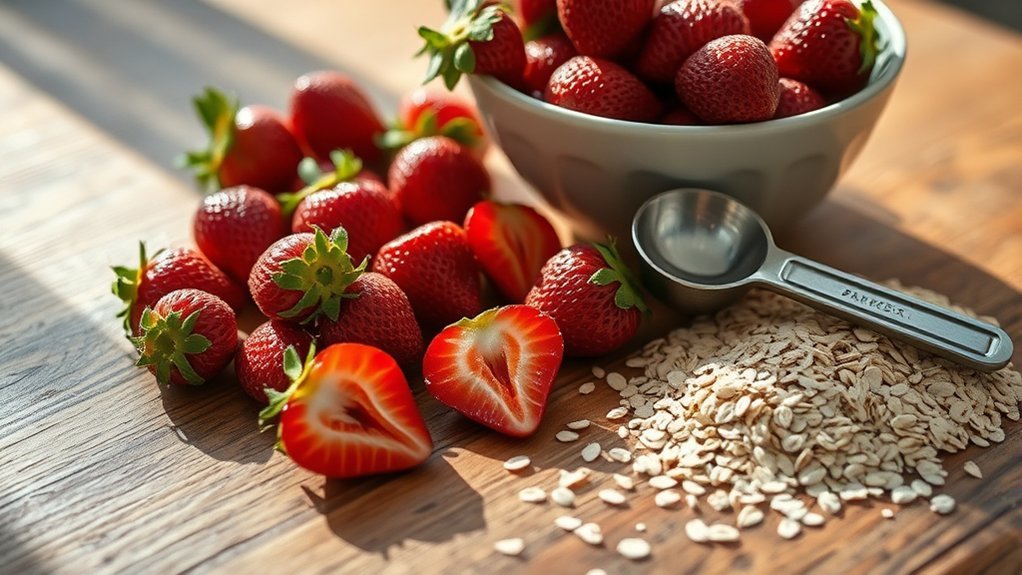
One cup of fresh strawberries gives you about 3 grams of dietary fiber, making them a smart choice if you want to boost your fiber intake without piling on calories. Since strawberries contain only 45 calories per cup, you can enjoy a fiber-rich snack that supports your health goals.
The fiber in strawberries aids digestion and helps you feel full longer, which can prevent overeating. Plus, incorporating strawberries into your diet helps you meet daily fiber recommendations, typically 14 grams per 1,000 calories consumed.
Beyond digestive benefits, the dietary fiber in strawberries plays a role in heart health by potentially reducing cholesterol levels.
What Kinds of Fiber Are in Strawberries?
When you eat strawberries, you’re getting both soluble and insoluble fiber.
Each one plays a unique role in your digestion. Soluble fiber helps control blood sugar and cholesterol.
On the other hand, insoluble fiber keeps things moving smoothly in your gut.
Knowing about these types can help you see how strawberries support your overall digestive health.
Types Of Dietary Fiber
Although strawberries are known for their sweet taste and vibrant color, they also provide a valuable mix of dietary fiber. In one cup, you get about 3 grams of fiber, which contributes to the total carb count while keeping calories low.
This fiber includes both soluble and insoluble types, each supporting your digestive health differently.
Besides fiber, strawberries are rich in vitamin C, boosting your immune system and skin health.
Adding strawberries to your diet helps you reach the recommended daily fiber intake of around 25 grams for a 2,000-calorie diet. Their combination of fiber and vitamin C makes strawberries a smart, tasty choice to maintain balanced nutrition and support overall well-being.
Soluble Vs Insoluble Fiber
Strawberries offer a blend of two key types of fiber: soluble and insoluble. About 40% of their dietary fiber is soluble fiber, which helps lower cholesterol, regulate blood sugar, and promote feelings of fullness. This is great for weight management.
The remaining fiber is insoluble fiber, which supports your digestive health by maintaining regular bowel movements and preventing constipation. Together, these fibers contribute to the roughly 3 grams of dietary fiber found in a cup of strawberries.
Including strawberries in your diet is an easy way to boost your intake of both soluble and insoluble fiber. This helps you meet daily fiber goals and supports overall digestive wellness.
How Strawberry Fiber Boosts Heart and Digestive Health

You’ll find that the fiber in strawberries plays a key role in supporting your heart health by helping lower cholesterol and blood pressure.
Plus, it keeps your digestive system running smoothly by promoting regular bowel movements and preventing constipation.
Heart Health Benefits
When you include a cup of strawberries in your diet, you get about 3 grams of dietary fiber that actively supports your heart and digestive health.
The fiber in fresh strawberries helps lower cholesterol and regulate blood pressure, reducing your risk of heart disease.
It also fights oxidative stress, which can damage your heart cells and lead to inflammation. By managing blood sugar levels, strawberry fiber lowers the chance of developing type 2 diabetes, a major contributor to heart problems.
Plus, the anti-inflammatory properties of strawberries further protect your cardiovascular system.
Digestive System Support
Beyond supporting heart health, the fiber in a cup of strawberries plays a key role in keeping your digestive system running smoothly.
With about 3 grams of dietary fiber, strawberries help prevent constipation by promoting regular bowel movements and improving digestion.
This fiber also enhances satiety, so you feel fuller longer, which can help prevent overeating and support weight management.
The soluble fiber in strawberries regulates blood sugar levels, reducing digestive stress and inflammation.
Incorporating strawberries into your diet not only boosts gut health but also contributes to lowering cholesterol and blood pressure, which supports overall cardiovascular function.
Can Strawberry Fiber Help Control Blood Sugar?
Although managing blood sugar can be challenging, incorporating strawberries into your diet can make a difference thanks to their fiber content. Strawberries offer about 3 grams of dietary fiber per cup, which slows sugar absorption through effective fiber absorption techniques.
This supports better blood sugar monitoring and helps maintain stable levels. Their low glycemic index and antioxidants also aid in reducing inflammation and improving insulin sensitivity.
Using strawberries as part of your dietary strategies can enhance satiety, potentially lowering overall calorie intake and further stabilizing blood sugar.
| Benefit | Role of Strawberry Fiber | Impact on Blood Sugar |
|---|---|---|
| Slows sugar absorption | Fiber delays glucose entering blood | Reduces blood sugar spikes |
| Enhances satiety | Fiber increases fullness | Helps control intake |
| Improves insulin sensitivity | Fiber supports insulin function | Stabilizes glucose levels |
| Reduces inflammation | Antioxidants complement fiber | Supports overall control |
Comparing Strawberry Fiber to Other High-Fiber Fruits

Since strawberries provide about 3 grams of fiber per cup, they offer a modest but valuable amount compared to other fruits.
When you look at strawberry fiber comparison, raspberries stand out with 8 grams per cup, making them a top choice in the fruit fiber ranking.
Pears and apples also surpass strawberries, offering 5.5 grams and 4.5 grams of fiber respectively.
While strawberries don’t top the list, they remain a tasty, low-calorie option that contributes to your daily fiber needs.
Strawberries offer a delicious, low-calorie way to help meet your daily fiber goals.
If you’re seeking high fiber alternatives, berries like raspberries or fruits such as pears can boost your intake more effectively.
Still, incorporating strawberries alongside these options guarantees variety and balanced nutrition in your diet.
Fresh vs. Frozen Strawberries: Fiber Content Differences
While fresh strawberries offer about 3 grams of fiber per cup, you might wonder if frozen strawberries provide the same nutritional value. Nutritional comparisons show that freezing strawberries doesn’t greatly reduce their fiber content, so frozen strawberries also deliver around 3 grams of fiber per cup.
This means you can enjoy similar fiber absorption benefits whether you choose fresh or frozen.
Keep in mind that different strawberry varieties may have slight variations in fiber, but these differences are minor compared to the impact of freezing.
Both fresh and frozen options maintain essential vitamins and antioxidants alongside fiber, making them versatile choices.
Choosing Strawberries for Maximum Fiber Benefits
To get the most fiber from strawberries, go for fresh ones that are fully red with those cute green caps still on.
Make sure they feel firm when you pick them up — that’s a good sign they’re packed with fiber. You definitely want to avoid strawberries that are mushy or shriveled; those tend to have less fiber and fewer nutrients overall.
And when you bring them home, store your strawberries properly in the fridge. Keeping them cool helps preserve their fiber content until you’re ready to enjoy them.
Selecting Fresh Strawberries
Choosing the right strawberries can boost the fiber you get from this delicious fruit. When selecting fresh strawberries, consider different strawberry varieties and their seasonal availability to guarantee peak ripeness and fiber content.
Opt for local sourcing whenever possible, as locally grown berries tend to be fresher and richer in nutrients. Look for shiny, firm berries with a bright-red color and fresh, intact green caps. They indicate better quality and higher fiber levels.
Avoid mushy or shriveled strawberries since they may have lost fiber and flavor. Discard any damaged berries promptly to prevent spoilage and preserve the rest.
Finally, rinse your strawberries in cold water just before eating to maintain their nutritional benefits, including dietary fiber. This simple approach helps you enjoy maximum fiber from every bite.
Identifying Fiber-Rich Berries
If you want to maximize the fiber benefits from strawberries, focus on selecting fresh, shiny, and firm berries that are bright red with intact green caps. Choosing these fiber rich varieties guarantees you get the best berry health benefits, including about 3 grams of dietary fiber per cup.
Pay attention to your seasonal strawberry selection, as berries picked at peak ripeness tend to have higher fiber content and better flavor. Avoid mushy or shriveled strawberries since lower quality often means reduced fiber and freshness.
Incorporate these quality strawberries into your meals to help meet daily fiber goals efficiently.
Remember to rinse them in cold water just before eating to preserve their fiber and nutritional value. This simple step keeps your strawberries both tasty and healthy.
Proper Strawberry Storage
Although selecting fresh strawberries is essential, how you store them plays an equally important role in preserving their fiber content and overall quality.
To maximize strawberry shelf life, keep them in the refrigerator using ideal storage methods. Place strawberries in a breathable container lined with paper towels to absorb moisture and prevent mold.
Avoid washing them until just before eating to maintain freshness preservation and prevent nutrient loss. Always discard any damaged or mushy berries immediately, as they can spoil others and reduce overall fiber quality.
By choosing firm, bright-red strawberries with intact green caps and storing them properly, you guarantee you’re enjoying the highest fiber benefits and the best taste possible.
Proper storage keeps your strawberries fresh longer and preserves their valuable dietary fiber.
Easy Ways to Add Strawberry Fiber to Your Diet
When you add strawberries to your meals, you effortlessly boost your fiber intake while enjoying their natural sweetness.
Start your day by mixing sliced strawberries into oatmeal or yogurt for a fiber-rich breakfast.
You can also blend them into smoothies with spinach or chia seeds to tap into strawberry smoothie benefits and create a nourishing, fiber-packed drink.
For dessert, swap out sugary options for fiber-rich desserts featuring strawberries, like berry parfaits or frozen strawberry treats.
Instead of reaching for processed snacks, try strawberry fiber snacks by munching on fresh strawberries. They provide natural fiber and keep calories low.
Adding strawberries to salads is another simple way to increase fiber and enhance flavor.
These easy swaps make boosting your fiber intake enjoyable and delicious.
How Strawberry Fiber Supports Weight Management
Because strawberries deliver 3 grams of dietary fiber per cup, they help you feel full longer and curb your appetite. This makes them a smart choice when you’re comparing fiber sources for weight management.
Strawberries provide 3 grams of fiber per cup, helping you feel fuller longer and control your appetite.
Adding strawberries to your diet supports fiber-rich meal planning without extra calories. Plus, their natural sweetness enhances strawberry smoothie benefits, making it easier to enjoy a nutritious, filling snack.
Here’s how strawberry fiber supports weight management:
- Promotes satiety, reducing overall calorie intake
- Supports digestive health, preventing overeating
- Adds bulk to meals, helping you stick to fiber-rich meal plans
- Combines low calories with fiber, ideal for weight control
Incorporate strawberries regularly to manage weight effectively and enjoy their fiber advantages.
Simple Recipes to Boost Strawberry Fiber Intake
Incorporating strawberries into your meals can easily boost your fiber intake while adding natural sweetness and vibrant flavor.
Try a strawberry smoothie by blending strawberries with spinach and chia seeds for a fiber-packed, invigorating drink.
You can also create a fiber salad by tossing sliced strawberries with baby spinach and pecans, making a nutritious, delicious meal.
For a light, flavorful option, prepare infused water by adding strawberries and cucumber slices to your water bottle. This encourages you to stay hydrated and enjoy subtle fiber benefits.
Adding strawberries to whole-grain cereal or oatmeal, or mixing them with yogurt or cottage cheese, are simple ways to increase your daily fiber effortlessly.
These recipes make it easy to enjoy strawberries while supporting your fiber goals.
Strawberry Fiber and Allergy Considerations
Although strawberries offer about 3.32 grams of dietary fiber per cup and support digestion and fullness, you should be cautious if you have a strawberry allergy.
Strawberry allergy symptoms can range from mild itching or tingling in your mouth to severe swelling of the lips, face, or throat.
To stay safe, focus on avoiding strawberry reactions by recognizing early signs like hives or headaches. Consult your doctor for proper diagnosis.
Avoid all forms of strawberries, including processed products. You can explore alternative fiber sources such as apples, oats, or beans.
Why Eating More Strawberry Fiber Is a Smart Choice
If you don’t have a strawberry allergy, adding more strawberries to your diet can be a smart move. Strawberries provide about 3 grams of dietary fiber per cup, making them excellent dietary fiber sources.
The strawberry fiber benefits include promoting digestive health by easing stool movement and enhancing satiety, which helps control weight by preventing overeating. Including strawberries supports heart health by potentially lowering cholesterol and helps regulate blood sugar, a plus if you monitor carbs.
To boost your fiber intake, try these fiber intake tips: add strawberries to your breakfast, blend them into smoothies, or snack on them fresh.
Frequently Asked Questions
Are Strawberry Seeds Edible and Do They Contain Fiber?
Yes, strawberry seeds are edible, and they provide some seed fiber content that’s beneficial for you.
When you eat whole strawberries, you gain strawberry seed benefits, including a small boost in dietary fiber and edible seed nutrients like antioxidants.
These tiny seeds add texture and enhance the fruit’s overall nutritional value.
How Does Cooking Affect the Fiber in Strawberries?
Cooking strawberries doesn’t greatly reduce their fiber content because fiber retention methods keep it stable despite heat.
When you use gentle cooking techniques like steaming or simmering, you minimize nutrient degradation, preserving both fiber and antioxidants.
However, processing into jams may lower fiber since some pulp gets discarded.
Can Strawberry Fiber Cause Digestive Discomfort?
Yes, strawberry fiber can cause digestive discomfort if you suddenly increase your intake.
Strawberries contain both soluble and insoluble fiber types, which offer digestive benefits like improved bowel regularity.
However, eating large serving sizes too quickly might lead to bloating or gas.
To avoid this, introduce strawberries gradually into your diet and drink plenty of water.
This way, you’ll enjoy the benefits without discomfort.
Is Strawberry Fiber Suitable for a Low-Fodmap Diet?
Strawberry fiber is a low-FODMAP warrior you can count on! You’ll enjoy low FODMAP benefits since strawberries contain primarily insoluble fiber, which supports digestive health without triggering symptoms.
If you’re seeking fruit alternatives that won’t upset your tummy, strawberries fit the bill perfectly. They help maintain your fiber intake while keeping your digestive system happy, making them a smart and tasty choice on a low-FODMAP diet.
How Long Do Strawberries Retain Fiber After Harvesting?
You’ll find the fiber retention duration in strawberries lasts several days after harvest if you use proper strawberry storage methods.
Keeping them refrigerated helps maintain their post-harvest nutrition, including fiber, for around 3 to 5 days.
While some nutrient loss happens over time, the fiber content remains relatively stable during this period.
To get the most fiber, eat your strawberries while they’re still fresh and firm.
Conclusion
When it comes to fiber, strawberries are a sweet way to keep your health on track. You know what they say: “An apple a day keeps the doctor away,” but adding strawberries to your diet can do wonders too.
Their fiber supports digestion, heart health, and blood sugar control, making them a smart choice. So, don’t hesitate. Grab some strawberries and boost your fiber intake deliciously and easily!